Shopping Cart
No item in your cart!
RM0.00
View Cart


Almost everyone has suffered from stomachaches at some point. They can be from gas, fast eating, or even stress. But sometimes it's hard to interpret the recurring abdominal pain. It could be recurrent pain that happens regularly at the same location. Or heartburn that doesn't get any better from over-the-counter antacids. Or just the general sense that something is wrong, but you're not sure what.
Recurring abdominal pain is among the most common causes of visiting doctors in Malaysia. According to research , there were 783.95 million cases of gastroesophageal reflux disease (GERD) around the world in 2019. However, the patients tend to cope with such symptoms by themselves for several months or even years before seeing an expert. This issue is important since some diseases related to gastrointestinal organs are easy to diagnose and treat but much harder otherwise.
This blog will shed light on what exactly a stomach specialist in Malaysia does, when symptoms should be taken to a GP and when to a stomach specialist, and what an appointment with a specialist includes. The purpose of this piece is to give you some information in order for you to make your decision. It will also inform you of what a gastroenterologist treats and what to expect during the first visit.
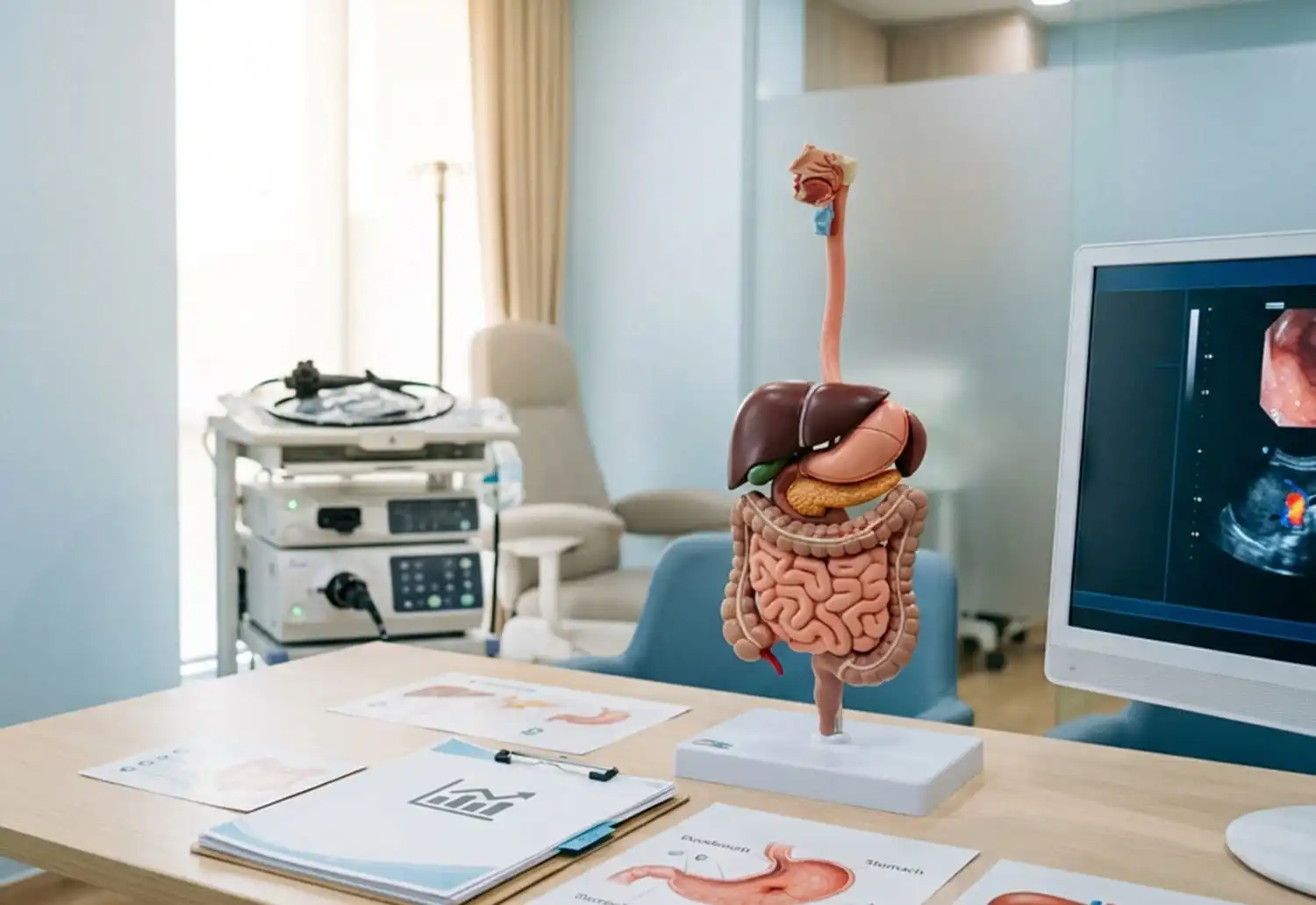
A stomach doctor in Malaysia, more formally called a gastroenterologist, is a specialist in conditions affecting the digestive system. This includes the:
Gastroenterologists diagnose and manage conditions ranging from:
They also perform diagnostic procedures including gastroscopy and colonoscopy. In addition to carrying out these procedures, they:
In a specialist centre, gastroenterologists work alongside:
This allows patients to receive care across a wide range of digestive system conditions. The distinction from a general practitioner matters here. A GP can:
A gastroenterologist has the tools and training to look directly at the problem, whether that's through:
They are also responsible for managing digestive conditions over the longer term when specialist care is required.
Digestive distress can be an ordinary experience and usually resolves itself. It is much more serious when such distress keeps recurring, progressively getting worse, or no longer responds to simple treatment. Patterns typically emerge with prolonged gastro-intestinal symptoms, and such patterns are quite useful for gastroenterologists to determine the root cause.
|
Symptom |
What It May Indicate? |
When It Becomes Concerning? |
|
Upper Abdominal Pain or Burning |
These usually signify GERD, gastritis, or peptic ulcers. There has been a consistent increase in GERD among the Southeast Asian countries, and it increased by 77% worldwide from 1990 to 2019. |
Repeated lasting pain and burning sensation after eating or while lying down; it doesn't get better unless the patient takes antacid medications like omeprazole and pantoprazole indicates that something has been neglected. Your gastroenterologist in Malaysia may be looking for structural factors, infection with Helicobacter pylori, and oesophageal conditions. |
|
Persistent Bloating, Nausea, and Changes in Bowel Habits |
May reflect irritable bowel syndrome, inflammatory bowel disease, digestive intolerance, or early colorectal conditions. |
Symptoms that persist for more than a few weeks, persistent diarrhea, constipation occurring in adulthood, or a change in bowel habits with blood should be assessed. Duration, diet, and nature of symptoms are important factors in this context. |
|
Difficulty Swallowing (Dysphagia) |
Can indicate narrowing of the oesophagus, reflux-related damage, or other oesophageal conditions. |
Painful or difficult swallowing should not be attributed to stress or just simple irritation in the throat. Further investigation by means of gastroscopy might become necessary. |
|
Unexplained Weight Loss |
May point to digestive disease, malabsorption, chronic inflammation, or more serious gastrointestinal conditions. |
Loss of weight in the absence of dietary and exercise modifications, coupled with abdominal pain or exhaustion, must be investigated immediately rather than just observed. |
A great number of gastrointestinal disorders can be treated much more easily once diagnosed early on. Symptoms are not necessarily life-threatening, but recurring, worsening, and/or interfering with one’s normal activities symptoms must not be disregarded without proper evaluation.

Some digestive symptoms should not be monitored indefinitely or managed only with home remedies. Certain warning signs shift the situation from something that is advisable to check into something that requires proper specialist attention.
According to a 2021 primary care review in the South African Family Practice journal, abdominal pain can involve multiple underlying causes, including conditions that worsen significantly without timely diagnosis and treatment.
|
Symptom Requiring Attention |
Why It Matters? |
What It May Indicate? |
|
Blood in Stool or Vomit |
Includes bright red blood, dark tarry stools, or blood-streaked vomit. These symptoms should not be self-managed or automatically attributed to haemorrhoids. |
Possible gastrointestinal bleeding, ulcers, colorectal conditions, or upper digestive tract disorders requiring medical assessment. |
|
Persistent Pain Lasting More Than Three Months |
Chronic abdominal pain is clinically defined as pain lasting longer than three months. |
Long-term gastrointestinal conditions that require structured specialist evaluation rather than ongoing symptom control alone. |
|
Family History of Colorectal Cancer, Gastric Cancer, or Inflammatory Bowel Disease |
Family history increases personal gastrointestinal risk substantially. |
A gastric specialist in Malaysia may recommend earlier screening, monitoring schedules, or additional diagnostic testing based on risk profile. |
|
Jaundice |
Yellowing of the skin or eyes together with digestive symptoms requires urgent assessment. |
Possible liver disease, bile duct obstruction, or pancreatic involvement. |
As highlighted in the South African Family Practice review:
“Abdominal pain is a common presenting problem with multiple aetiologies that often pose diagnostic and therapeutic dilemmas. Although most presentations are benign, a significant number of patients have life-threatening conditions that require a meticulous approach.”
Even when most digestive disorders are discovered to be relatively manageable problems, those that continue, bleed, cause unexpected weight loss, have jaundice, or have a strong family component should not be left for later. The earlier specialist evaluation occurs, the greater its effect on both the rate of diagnosis and treatment.
A first appointment with a gastroenterologist in Malaysia typically begins with a detailed clinical history. The specialist will ask about:
A physical examination follows. Depending on what the history and examination reveal, the specialist may request blood tests, a stool test for H. pylori or hidden blood in the stool, an ultrasound, or proceed directly to an endoscopic procedure.
A gastroscopy examines the:
A colonoscopy examines the:
Both procedures are performed under sedation at Cengild’s dedicated endoscopy facility, which operates:
Not every appointment leads to a scope procedure. Some digestive conditions are diagnosed and managed through a combination of blood results, symptom history, and trial treatment. The specialist decides what is needed based on the patient’s specific presentation.
If you're preparing for a procedure, this guide on what affects endoscopy pricing in Malaysia explains what the cost typically covers.

Not all gastrointestinal diseases have to be long term and can actually be managed with short-term treatments. There are those which need to be monitored for life and others that may require changes in lifestyle. A specialist dealing with the stomach identifies and treats various gastrointestinal disorders.
1.Gastroesophageal Reflux Disease (GERD)
Frequent acid reflux can damage the oesophageal lining over time. GERD is commonly managed through:
2.Peptic Ulcers
Peptic ulcers are sores in the lining of the stomach or upper small intestine. Common causes include:
Treatment may involve:
3.Irritable Bowel Syndrome (IBS)
IBS is a functional bowel disorder involving:
It takes place without any structural changes in the digestive system. Irritable Bowel Syndrome is the most frequently encountered disease among gastrointestinal diseases in Malaysia. Management often includes:
Patients react quite positively to a treatment program that is created by a specialist and considers all aspects of the clinical situation.
4.Inflammatory Bowel Disease (IBD)
IBD includes:
Both conditions involve ongoing inflammation of the digestive tract and usually require:
5.Colorectal Conditions
These include:
The process of early detection becomes a very important step when considering treatment. People older than 45 years without symptoms should consult with a specialist for gastroenterology in order to conduct colorectal tests.
As noted in Digestive Diseases, PubMed 2022:
“GERD is one of the most commonly occurring gastrointestinal disorders seen by gastroenterologists and physicians alike. Abdominal pain is said to be chronic when it occurs over a period of more than three months. It is one of the most common causes for referrals to specialists.”
In case your symptoms have been present for more than four weeks, come back after the discontinuation of medication, or are associated with one of the mentioned red flags, then it’s time to consult a gastroenterologist. Delaying is not going to make things better; besides, the earlier you consult, the easier the treatment becomes. It’s time to see a gastroenterologist when you notice a recurrent nature of the symptoms, their non-response to something which used to work, or if they are associated with one of the red flags mentioned in this article.
What distinguishes a specialist from a non-specialist is that the former deals with the actual cause of the problem, confirms its presence, and provides a plan of action based on the truth rather than guesswork. This is very important when you have been suffering from the same disease for a month or two but still don’t know the root cause of your problem.

It will be more helpful to visit a gastroenterologist for the first time when you are well prepared. The specialist will be able to make a more accurate diagnosis due to small details.
1. Write down your symptom timeline
The specialist will depend extensively on symptoms history in order to define the diagnostic picture. An organised and clear description of the symptoms will save time for the specialist during the examination and allow him to improve his diagnosis.
2. Bring a list of current medications
Some medications directly affect the gut lining and become highly relevant during the diagnostic discussion.
3. Note any relevant family history
Many digestive conditions have genetic components. In case any first-degree relatives suffer from any of these diseases, it is essential to disclose it in the initial stages of the consultation.
The problem with many patients is that they will not seek specialised care until the condition becomes serious due to the nature of their symptoms that do not seem severe. In the field of gastroenterology, it is all about how fast investigations are conducted.
4. Do not wait for symptoms to become severe
A first appointment with a gastroenterologist is primarily an assessment, not an automatic commitment to a procedure.
5. What patients can generally expect from the first consultation
Most patients leave the appointment with a clearer understanding of what may be happening and what, if anything, needs to be done next.
1. What is the distinction between a GP and a gastric specialist in Malaysia?
The general practitioner does the initial examination and can treat most common stomach disorders using medication and other suggestions about how to change one's way of living. The gastric specialist in Malaysia has some extra training for working with the digestive tract and conducting gastroscopies and colonoscopies, analysing complicated findings and treating diseases that are not amenable to common treatment. It is necessary to refer the patient to a gastroenterologist when such problems occur.
2. When should I see a gastroenterologist?
In case your symptoms have been present for more than four weeks, have reappeared after you stopped taking your medication or there is blood in your stool, you lost weight without any cause or cannot swallow easily, then you need to consult a specialist right away. In case of less serious symptoms and they are new ones, first of all, you need to visit a GP and wait a few weeks.
3. Does a gastroscopy hurt?
The procedure is done using sedation, hence most patients do not remember it and only feel minimal discomfort. You could have some soreness in your throat after the procedure, lasting one or two days. A gastroscopy usually takes between 15 and 30 minutes. This brief guide about what a colonoscopy entails explains the preparation and recovery for such an endoscopic procedure.
4. Could stress cause stomach problems requiring a specialist?
Stress can lead to such digestive issues as nausea, bloating, and even changes in bowel habits. Nevertheless, if you keep having such symptoms, then you should not assume that stress is the reason why and not go for a consultation to rule out any structural problem.
5. What diseases can be diagnosed by a gastroscopy?
By a gastroscopy, we can diagnose the damage caused by acid reflux in the esophagus, gastritis, peptic ulcers, locations of the H. pylori infection, and initial lesions in the stomach or proximal part of the small intestine. This test can also be therapeutic when needed, such as stopping bleeding ulcers.
Symptoms that are persistent should not remain a mystery and be solved using hit and miss attempts. At Cengild G.I. Medical Centre, there is access to a multidisciplinary team of professionals from gastroenterology, hepatology, gastrointestinal surgery, oncology and metabolic health. This is all under one centre in Kuala Lumpur with over 30 doctors who have been practising for more than 7 years with more than 18 medical specialties in place.
The medical practitioners at Cengild provide care for conditions such as gastroesophageal reflux disease, peptic ulcers, IBS, inflammatory bowel disease, colorectal diseases, liver diseases, pancreatic disorders, and gastrointestinal cancers. Cengild also offers various types of diagnostic tests which include gastroscopy, colonoscopy, digestive screening, minimally invasive procedures, and endoscopy services.
In cases where a patient suffers from constant stomach pain, weight loss without reason, problems with swallowing, bloating, or changes in bowel habits, consulting an expert could have a significant impact on the treatment. A patient is able to schedule an appointment with the Cengild experts directly via the gastroenterology and hepatology center at Bangsar South, Kuala Lumpur.