Shopping Cart
No item in your cart!
RM0.00
View Cart


The National Health and Morbidity Survey 2023 found that 54.4 per cent of Malaysian adults are overweight or obese. That is up from 44.5 per cent in 2011.
Part of what makes this difficult to reverse is the advice that surrounds weight management. Quick-fix programmes, meal replacement plans, and supplement advertisements dominate the conversation and promise fast results. Many do deliver short-term changes. For many people in Malaysia, understanding how to prevent obesity starts with seeing why those changes rarely last.
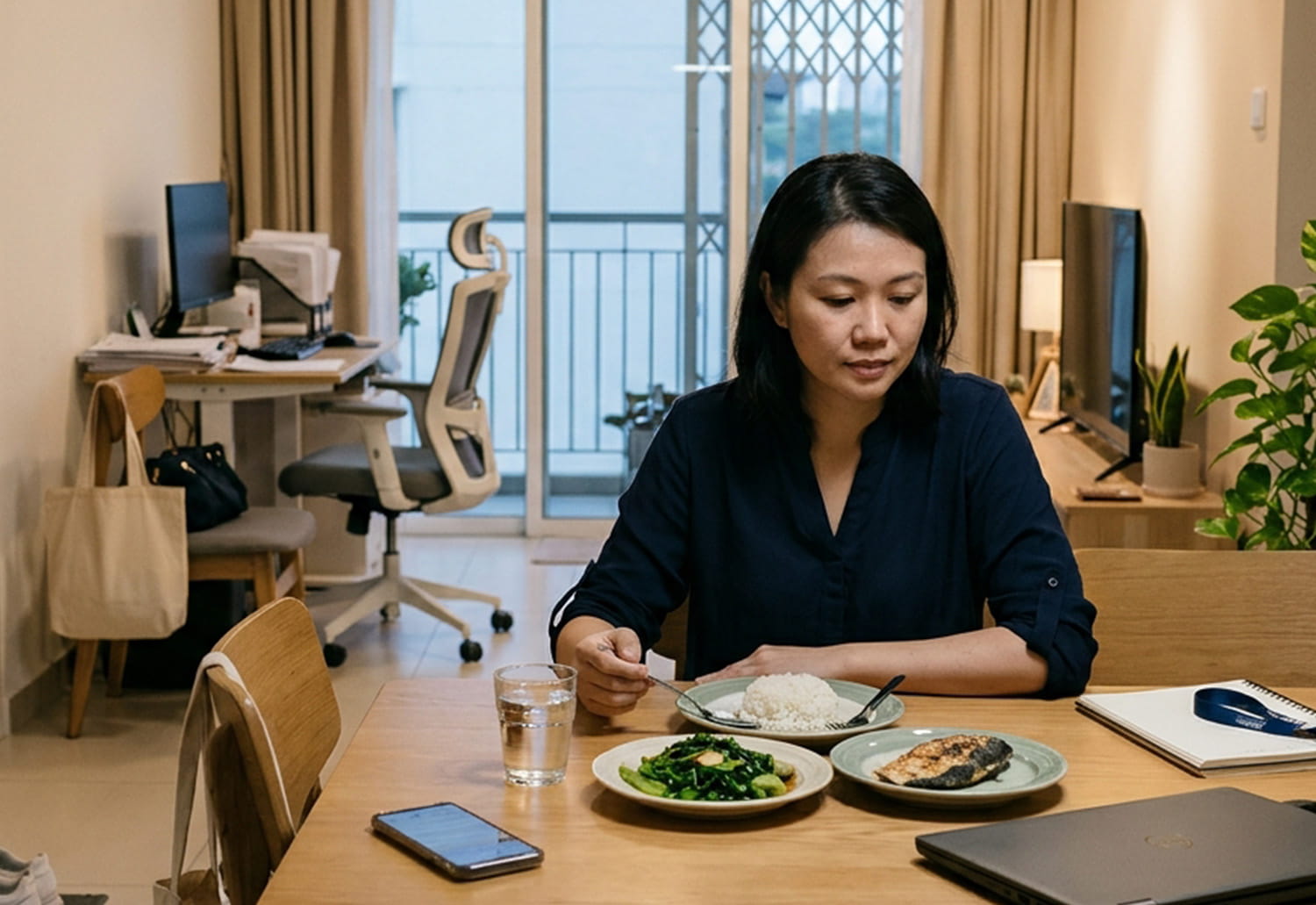
Eating less and moving more are both relevant to weight management. But they do not explain the full picture of why obesity develops or sticks around.
Obesity is shaped by a mix of factors: diet, activity levels, sleep quality, stress, and genes. No single factor tells the whole story. The NHMS 2023 data reflects this. Nearly 50 per cent of Malaysian adults report spending most of their day sitting or being inactive. A further 95.1 per cent eat fewer than the recommended five daily servings of fruits and vegetables. These are not isolated choices. They reflect routines shaped by work patterns, urban environments, and what food is available.
A 2026 review of obesity trends in Malaysia identified sitting too much and poor diet quality as the main drivers of weight gain. Hormonal and genetic factors also add to the risk for certain groups.
Obesity is not a failure of willpower. It results from multiple factors working together, and tackling it effectively means understanding which ones are at play for a given person.
A diet promising visible results in two weeks is far easier to commit to than a gradual change that takes months to show. That appeal is understandable. The problem is what happens inside the body when food intake drops sharply.
When calories are severely cut, the body lowers how quickly it burns energy, holding on to reserves as though preparing for a food shortage. Research has found that the body burns fewer calories than expected after weight loss. This is a natural adjustment, not a sign of failure. Once the diet ends and normal eating resumes, food gets stored more readily than before. Weight returns, sometimes above the starting point.
This pattern of losing and regaining weight is not a personal failing. It is a well-documented response to extreme calorie restriction. Rapid detox programmes, elimination diets, and very low-calorie plans all trigger it. They reduce weight without addressing the habits and circumstances that caused the gain in the first place.

The changes that produce lasting results are the ones a person can keep up consistently over years, not days.
Rather than cutting how much is eaten, the more effective approach is improving what is eaten. Eating more vegetables, brown rice, oats, beans, and protein sources like chicken or fish tends to support a healthy weight over time. Cutting back on heavily processed packaged foods and sugary drinks also helps. This avoids the energy-saving mode the body goes into when calories are cut too severely. For most Malaysians, the simplest starting point is eating more fruit and vegetables, where the NHMS 2023 data shows the largest gap.
Moving regularly is a cornerstone of obesity prevention. It increases how much energy the body uses, helps maintain muscle, and improves how the body handles blood sugar levels. Brisk walking for 30 minutes on most days, kept up over time, adds up to a meaningful difference. The NHMS 2023 found that 29.9 per cent of Malaysian adults are physically inactive. Small increases in daily movement make a real difference for weight management Malaysia-wide.
Sleep's connection to weight is well supported by evidence. A 2022 review found that not getting enough sleep increases hunger, appetite, and how much a person eats. This happens because poor sleep disrupts the hormones that control hunger and the sense of fullness. People who regularly sleep fewer than seven hours are at higher risk of weight gain. Getting enough sleep is one of the most overlooked parts of weight management. Lifestyle medicine treats it as just as important as diet and exercise.
When someone is under prolonged stress, the body releases hormones that encourage fat to be stored, especially around the stomach area. Managing stress through rest, social connection, or professional support plays a role in weight regulation that diet and exercise alone cannot fully address.
Sustainable weight management is not about finding the right diet. It is about building a way of living that the body does not work against.
Lifestyle changes are the right starting point for how to prevent obesity in most situations. For some people, those changes produce limited results even when followed consistently and with real effort. This can happen when underlying issues, such as hormone-related problems or blood sugar irregularities, are affecting the body's ability to manage weight. These are medical factors that lifestyle changes alone cannot resolve.
For those whose weight is already in the obese range, lifestyle adjustment alone may not be enough. The same applies to those managing conditions such as type 2 diabetes or high blood pressure. Understanding what a medical obesity assessment involves is a useful first step before deciding on a path forward.
Seeking guidance early generally means more options are available than if it is left until the situation has progressed further.

Knowing how to prevent obesity is ultimately a health question, not an appearance one. The condition is linked to type 2 diabetes, heart disease, fatty liver, and breathing problems during sleep. Addressing it reduces exposure to those risks.
For most adults thinking about weight management Malaysia-wide, the practical question is where to start. The evidence consistently points in the same direction: eating better quality food, moving regularly, sleeping enough, and managing stress. None of these changes are dramatic on their own. All of them add up over time.
Gradual weight gain does not need an extreme response. Start by identifying which habits have shifted, whether in diet, activity, sleep, or stress. Lifestyle medicine encourages working on one or two areas at a time rather than changing everything at once. If real changes do not show results after a few months, a medical consultation can help identify whether other factors are involved.
Not usually. The goal is to improve overall eating habits rather than avoid specific items. Eating more vegetables, whole foods, and fewer heavily processed products supports a healthy weight without needing strict food rules.
Metabolic health refers to how well the body manages blood sugar, blood pressure, cholesterol, and how it stores energy. When sleep is poor, stress is high, or a person is not moving much, the body becomes less efficient at keeping weight stable. In Malaysia, the most relevant areas to improve are sitting too much and eating poorly.
Yes. NHMS 2023 data shows rising rates of overweight and obesity across all adult age groups in Malaysia, including younger adults. Working on weight management before related conditions such as diabetes or high blood pressure develop is associated with better outcomes.
A medical consultation makes sense when consistent lifestyle changes over several months have not produced meaningful results. It is also the right step when weight gain comes with symptoms such as persistent tiredness or high blood sugar readings. If weight is already in the obese range, a specialist consultation is appropriate regardless of how a person currently feels.
Preventing obesity is not about finding a perfect programme. It is about understanding what is driving weight gain and making changes that address those factors consistently over time. When lifestyle efforts alone are not enough, professional support can identify what else may be at play. The Metabolic and Obesity Care Centre at Cengild provides specialist evaluation for weight-related concerns, with a team experienced in both medical and lifestyle-based approaches. A consultation is a practical starting point.
This article is for general educational purposes only and does not constitute medical advice. Please consult a qualified medical professional for personalised assessment and treatment.