Shopping Cart
No item in your cart!
RM0.00
View Cart

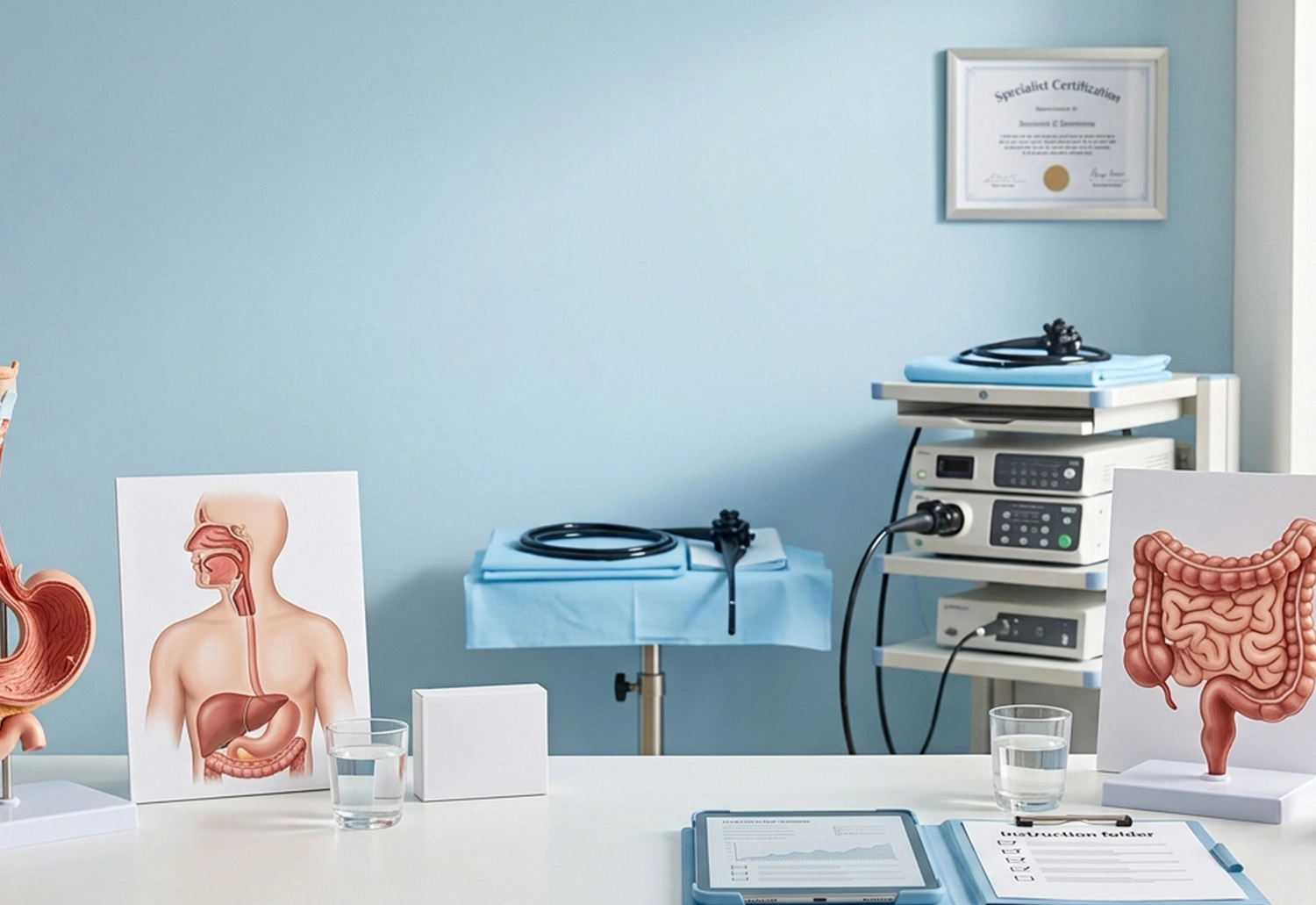
The OGDS vs colonoscopy distinction comes down to which part of the digestive tract your doctor needs to examine: the upper or lower GI system.
OGDS looks at the oesophagus, stomach, and upper small intestine via a scope passed through the mouth.
A colonoscopy examines the large intestine and rectum via a scope passed through the anus.
Preparation differs significantly. OGDS requires fasting for at least six hours. Colonoscopy requires full bowel preparation using prescribed laxatives.
Both procedures are performed under sedation at a specialist endoscopy centre and are considered safe when carried out by an experienced gastroenterologist.
Your doctor has recommended an endoscopy. They've mentioned either an OGDS or a colonoscopy. The two procedures are often discussed together. But OGDS vs colonoscopy is not an either-or choice your doctor makes randomly. They look at completely different parts of the digestive system, are used for different symptoms, and require different preparation.
Understanding the difference helps you know what to expect before, during, and after the procedure. It also helps you ask better questions at your next consultation. Many patients arrive unsure whether they've been booked for the right test. That's usually because no one has explained how the two procedures differ.
This article covers what each procedure involves and which symptoms each one addresses. It also explains how to prepare and what costs look like in Malaysia.
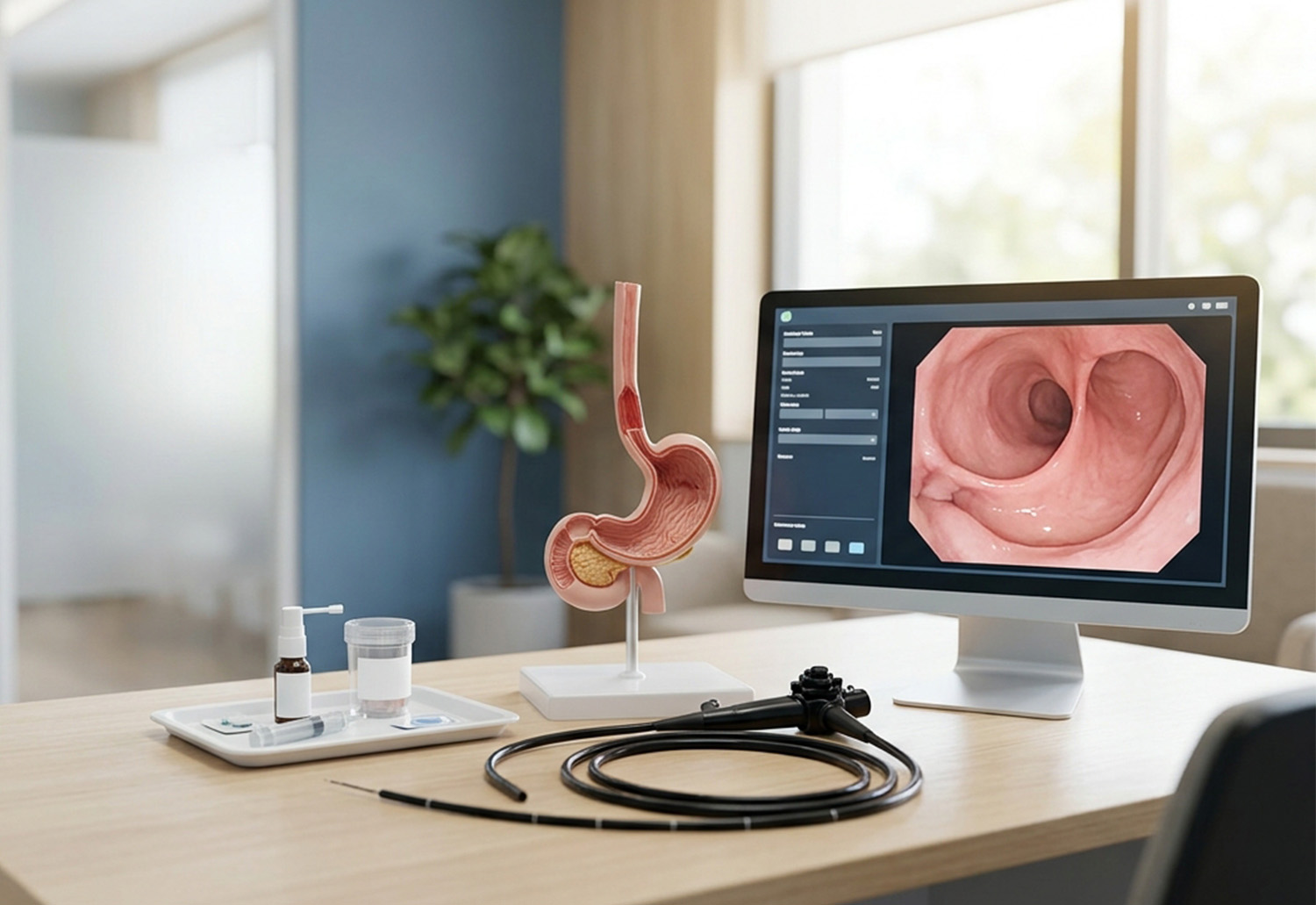
OGDS stands for Oesophago-Gastro-Duodenoscopy. It examines three structures in the upper digestive tract: the oesophagus (food pipe), the stomach, and the duodenum. The duodenum is the first segment of the small intestine. The procedure is also referred to as a gastroscopy or upper GI endoscopy.
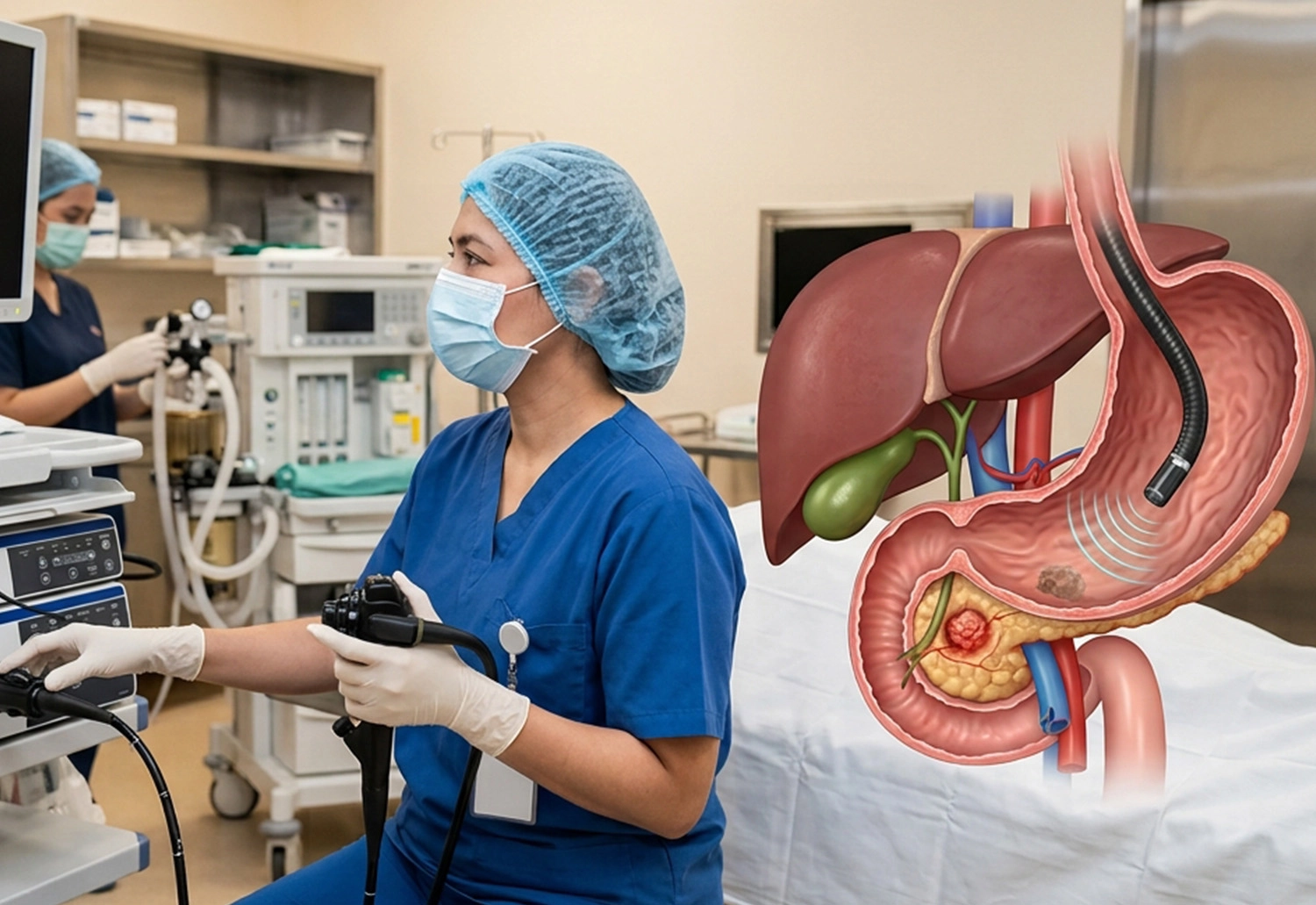
A thin, flexible tube called an endoscope is passed through your mouth. The doctor guides it down through the oesophagus, stomach, and into the duodenum. The scope carries a small camera and light source. This lets the doctor view the lining of each organ in real time on a monitor. If something abnormal is found, a tissue sample (biopsy) can be taken during the same procedure without a separate visit.
According to NCBI StatPearls on Esophagogastroduodenoscopy, this procedure allows detailed examination of the oesophagus, stomach, and duodenum. Major complications occur in fewer than 2 percent of cases.
The procedure typically takes 15 to 30 minutes. Most patients receive a throat spray to reduce the gag reflex and a light sedative for comfort.
A colonoscopy examines the large intestine (colon) and rectum. Instead of entering through the mouth, the scope passes through the anus. The doctor advances it along the full length of the large intestine. In some cases, the very end of the small intestine (terminal ileum) can also be visualised
The colonoscope carries a camera that transmits live images to a monitor. The doctor looks for polyps, which are small growths that may become cancerous over time. Other findings include signs of inflammation, ulcers, and sources of bleeding. Polyps found during the procedure can often be removed at the same time, avoiding further surgery.
According to NCBI StatPearls on Colonoscopy, colonoscopy is the standard procedure for colorectal cancer screening and diagnosis. It also functions as a therapeutic procedure through the removal of polyps with malignant potential.
A colonoscopy typically takes 20 to 45 minutes. The total time at the clinic, including preparation and recovery, may run to several hours on the day.
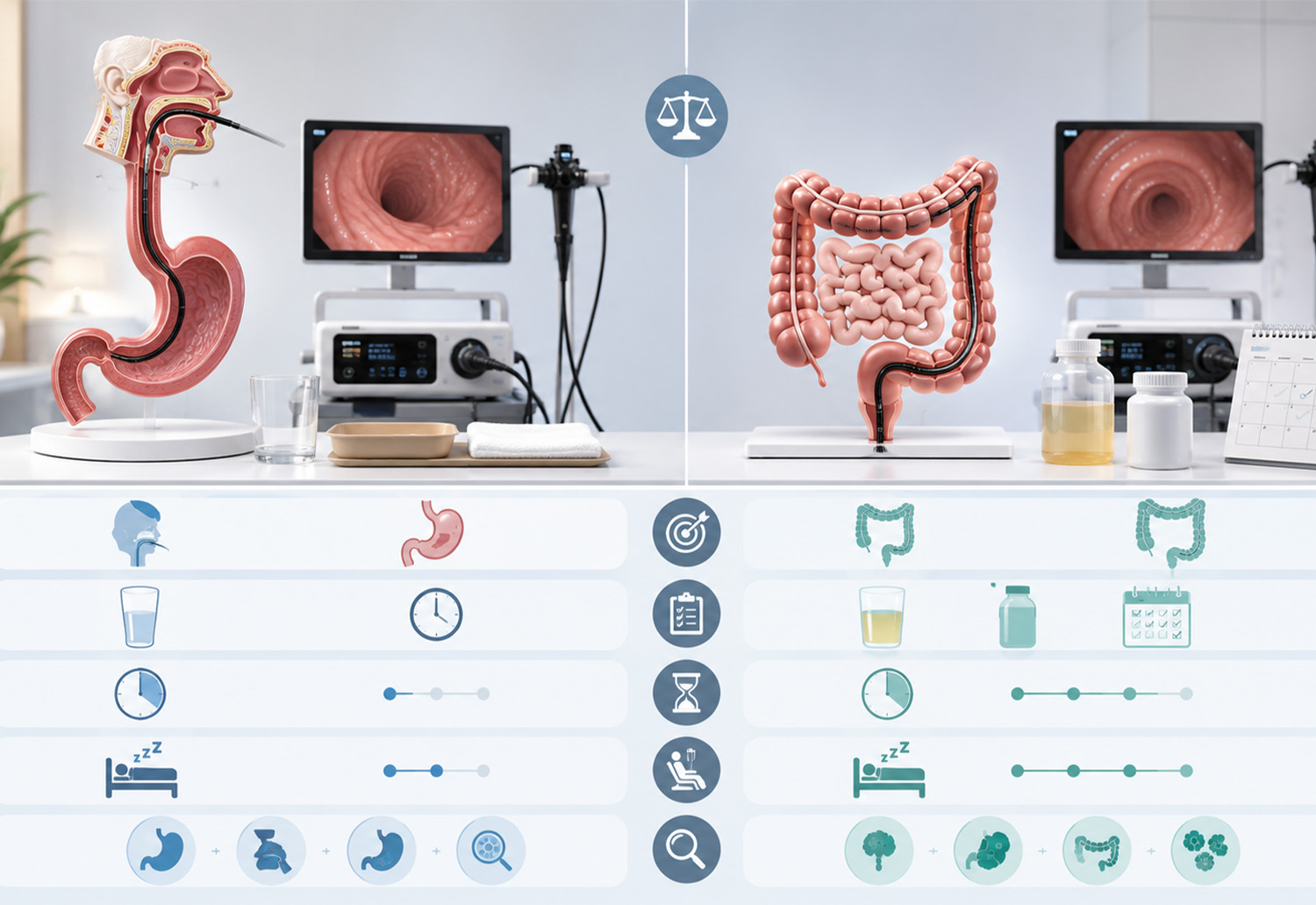
The colonoscopy vs OGDS question is best understood by comparing both across the areas that matter most. Here is how OGDS vs colonoscopy breaks down in practice.
OGDS enters through the mouth. A colonoscopy enters through the anus. This single difference drives most of the variation in preparation and recovery.
OGDS covers the upper digestive tract: oesophagus, stomach, and duodenum. Colonoscopy covers the lower digestive tract: the large intestine, rectum, and sometimes the terminal ileum.
OGDS requires fasting only. Patients are asked not to eat or drink for at least six hours before the procedure. Colonoscopy requires full bowel preparation. This involves a low-fibre diet in the days before, followed by laxative medication the evening before and the morning of the procedure. The colon must be empty for the camera to see clearly.
OGDS is typically done in 5 to 10 minutes. A colonoscopy takes 20 to 45 minutes, but the bowel preparation process begins the previous day.
Both procedures use sedation. Most patients feel ready to go home within an hour. Neither patient should drive on the day of the procedure.
OGDS suits upper GI symptoms: acid reflux, heartburn, stomach ulcers, H. pylori infection, gastritis, Barrett's oesophagus, and upper GI bleeding. Colonoscopy suits lower GI symptoms: changes in bowel habits, rectal bleeding, unexplained lower abdominal pain, inflammatory bowel disease, polyps, and colorectal cancer screening.
"Colonoscopy is recognised as the standard procedure for colorectal cancer screening and diagnosis. It also serves as a therapeutic intervention through polypectomy of lesions with malignant potential." Source: NCBI StatPearls, Colonoscopy
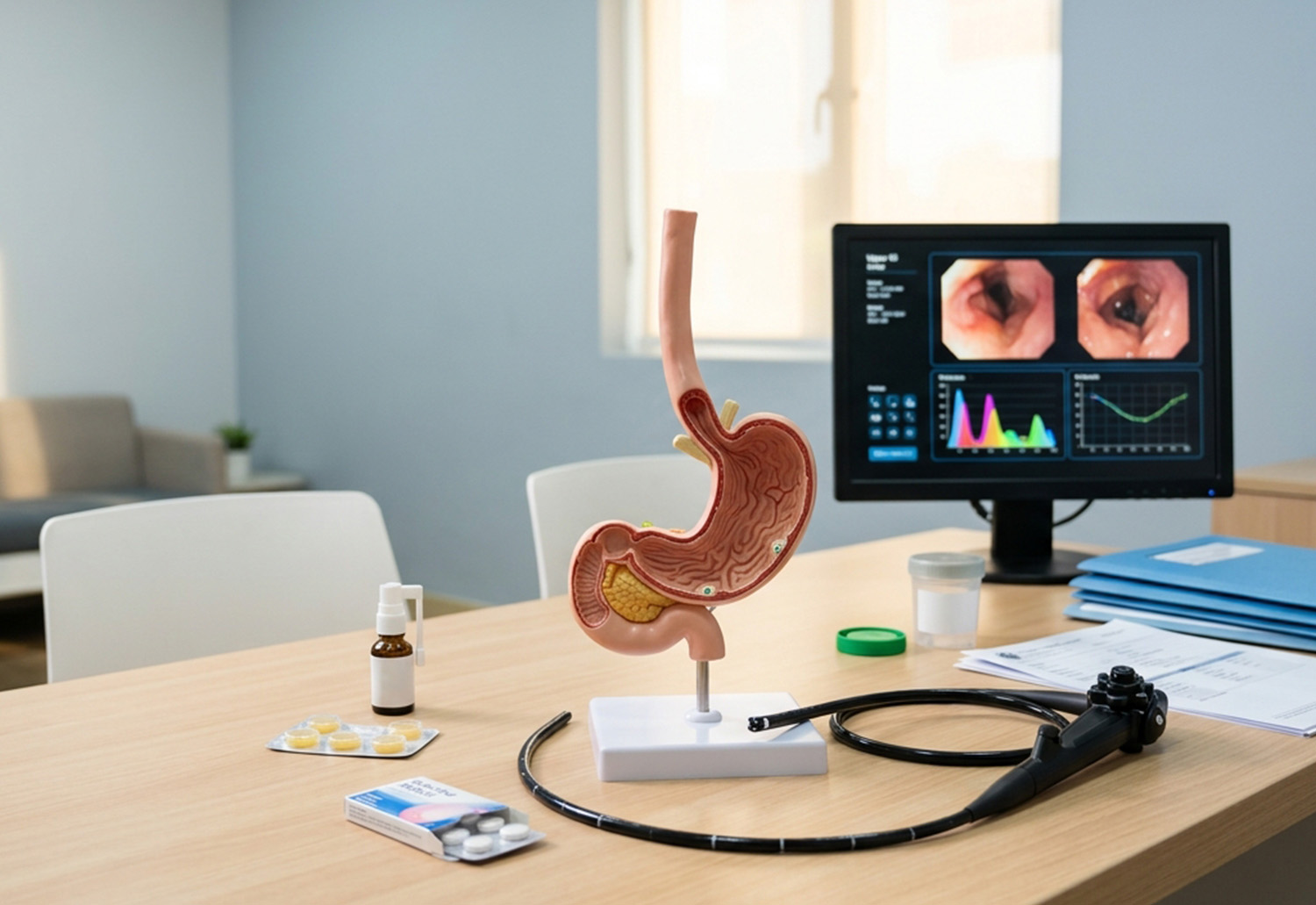
A doctor may recommend an OGDS when symptoms point to the upper digestive tract. Common indications include:
OGDS is also used to investigate suspected H. pylori infection, to monitor Barrett's oesophagus, and to follow up on abnormal imaging results. In some cases, it's part of a pre-operative assessment before certain surgeries.
A colonoscopy is recommended when symptoms suggest a problem in the lower digestive tract. Common reasons include blood in the stool, persistent changes in bowel habits, and lower abdominal cramping. A family history of colorectal cancer or a positive result on a stool blood test also warrants investigation.
Colorectal cancer is the second most common cancer among Malaysian men and women. It accounts for 13.8 percent of new cancer cases in Malaysia, based on Globocan 2022 data. Routine screening is generally recommended from the age of 45. If there is a family history of colorectal disease, earlier screening may be advised.
For patients managing inflammatory bowel disease or Crohn's disease, colonoscopies are scheduled regularly. These appointments monitor disease activity and treatment response. The colonoscopy preparation guide at Cengild covers what patients should do in the days and hours before the procedure.
Stop eating solid food at least six hours before the procedure. Clear fluids are usually permitted until two hours before. Wear comfortable clothing, remove dentures or jewellery, and arrange for someone to take you home. You won't be able to drive after sedation.
Preparation begins the day before. Follow a low-residue diet for one to two days, avoiding high-fibre foods like seeds, nuts, and raw vegetables. On the day before, take the prescribed laxative solution as directed by your doctor. A second dose is usually taken on the morning of the procedure. Arrange for someone to drive you home.
Proper bowel preparation is essential. Inadequate preparation is a leading reason colonoscopies need to be repeated.
"Adequate bowel preparation increases the likelihood of identifying lesions during colonoscopy. Incomplete colonoscopies due to inadequate preparation occur in between 10 and 20 percent of cases." Source: NCBI StatPearls, Bowel Preparation
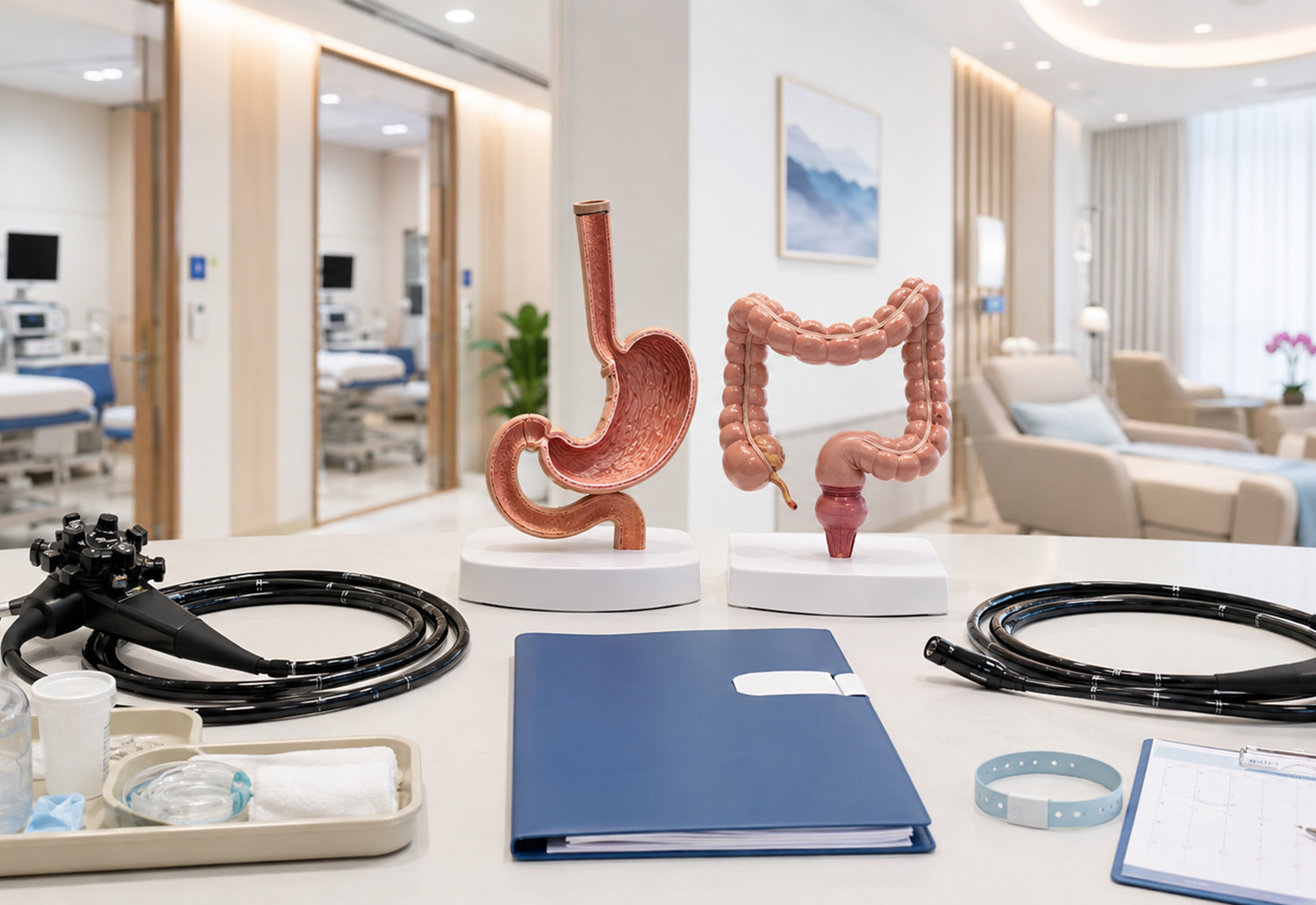
Yes. When a patient has both upper and lower GI symptoms, doctors may recommend a combined procedure. This is called a dual scope, where OGDS and colonoscopy are performed in the same appointment.
Doing both procedures together has practical advantages. It avoids two separate preparation periods and reduces the total number of hospital visits. Each procedure is still performed separately by the endoscopist, but sedation and day-care arrangements are managed as a single admission. At Cengild, the endoscopy facility runs three endoscopy rooms with ten daycare beds. This setup supports same-day combined procedures where clinically appropriate.
Costs vary based on the hospital, the doctor's fees, and the type of sedation used. Whether additional procedures like biopsy or polyp removal are needed also affects the total.
The colonoscopy price in Malaysia at private hospitals typically runs from RM1,400 to RM3,000 for a standard procedure. If polyps are removed during the procedure, additional polypectomy charges typically apply. Some hospitals include day-care admission and sedation in the package price. Others charge these separately, so it's worth confirming what's covered before you attend.
OGDS is generally less expensive than a colonoscopy. It's a shorter procedure and requires no bowel preparation. The colonoscopy price in Malaysia at private hospitals starts from around RM1,400. By comparison, OGDS prices typically start from RM988. Higher-end private centres may charge more for either procedure, depending on complexity and what's included in the package.
A combined same-day OGDS colonoscopy procedure is usually offered at a bundled rate. This typically works out cheaper than booking two separate appointments. For a breakdown of what influences endoscopy pricing, the endoscopy pricing guide on Cengild's website covers each cost component clearly.
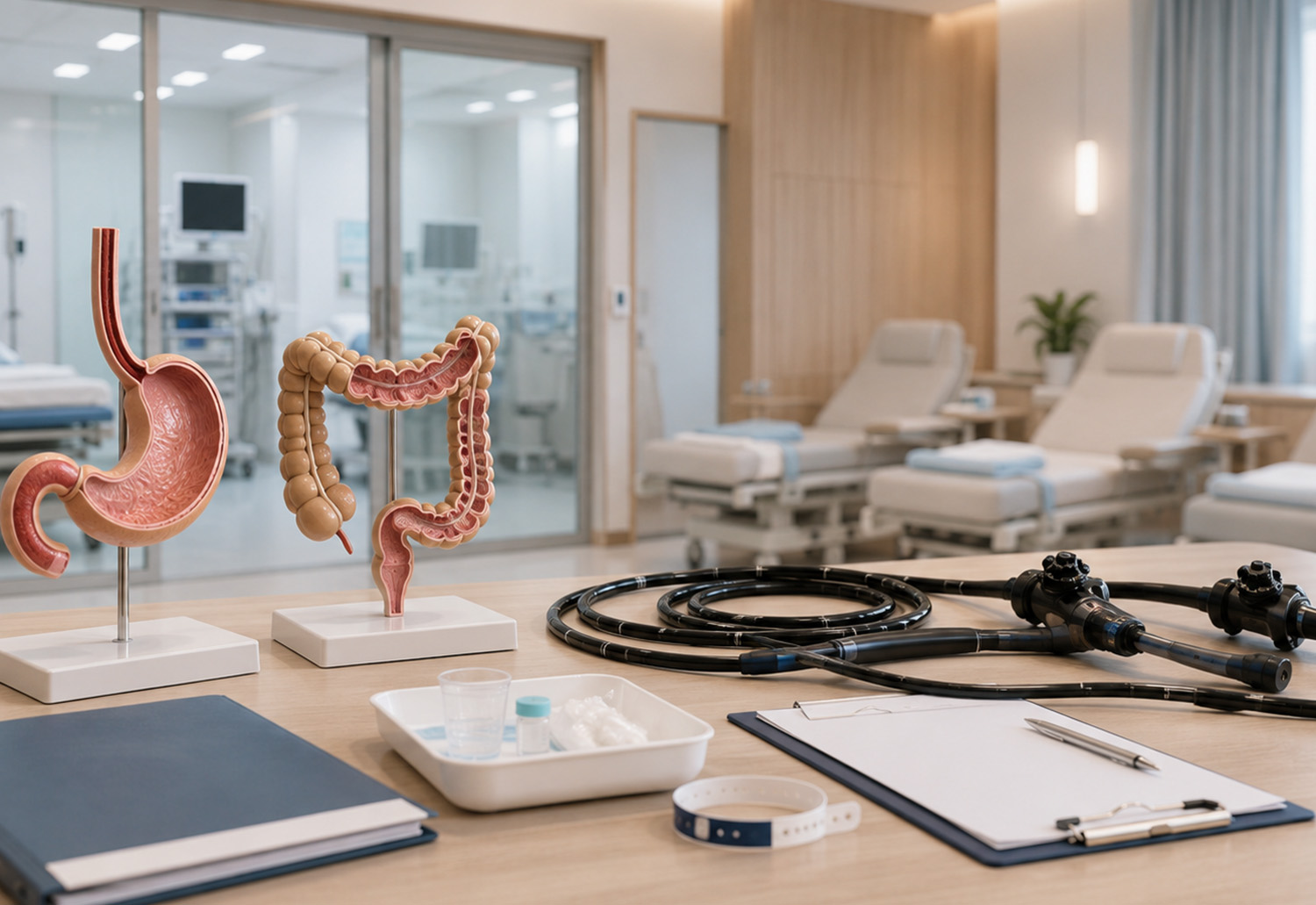
Whether you're having an OGDS, a colonoscopy, or both, the day follows a similar structure.
You'll arrive at the endoscopy centre and be checked in by the nursing team. A nurse will review your medical history, confirm your preparation, and check your vital signs. An intravenous line will be placed in your arm for the sedation. The doctor will briefly explain what they'll be doing. You'll have the opportunity to ask questions before the procedure begins.
During the procedure, you'll be positioned on your side on the procedure bed. For OGDS, a mouthguard is placed to protect your teeth and the scope. For a colonoscopy, the procedure begins with you lying on your left side. The sedation will take effect quickly. Most patients have little to no memory of the procedure itself.
Afterward, you'll be moved to a recovery area. The nursing team will monitor you until the sedation has cleared. This typically takes 30 to 60 minutes. The doctor will speak with you or a family member to share initial findings. A written report is usually provided before or shortly after you leave. If biopsies were taken, results may take several days to come back from the laboratory.
Before you go home, the nurse will give you written instructions on what to eat and any activity restrictions. You'll also receive guidance on when to follow up with your doctor. Most patients feel well enough to eat a light meal within a few hours of leaving.
The answer to OGDS vs colonoscopy depends on your symptoms and your doctor's clinical assessment. If your symptoms point to the upper digestive tract (heartburn, nausea, difficulty swallowing), an OGDS is likely the first recommendation. If your symptoms are lower down (rectal bleeding, bowel habit changes, colorectal screening age), a colonoscopy is the relevant procedure.
In some cases, a gastroenterologist recommends both at the same appointment. The decision rests with the specialist. Understanding what each procedure involves helps you prepare. The right choice is always made after a proper clinical review.

1. What is the main difference between OGDS and colonoscopy?
OGDS examines the upper digestive tract (oesophagus, stomach, duodenum) via a scope passed through the mouth. Colonoscopy examines the large intestine and rectum via a scope passed through the anus. They target different organs, require different preparation, and are used for different symptoms.
2. What is OGDS used for?
OGDS is an endoscopic procedure used to examine the lining of the upper digestive tract. It's recommended for patients with persistent heartburn, upper abdominal pain, difficulty swallowing, unexplained nausea, vomiting blood, or black tarry stools. It also investigates H. pylori infection and monitors conditions like Barrett's oesophagus.
3. What is the colonoscopy cost in Malaysia?
The colonoscopy cost in Malaysia at private hospitals generally ranges from RM1,400 to RM3,000. Costs may be higher if polyp removal or biopsy is carried out during the same appointment. Always confirm what's included in the quoted price, as packages vary across hospitals.
4. Do I need sedation for both procedures?
Yes. Both procedures are performed under light sedation. You'll be conscious but drowsy and unlikely to remember much of the procedure. You won't be able to drive afterward. Arrange for someone to take you home on the day of either procedure.
5. Can both procedures be done at the same appointment?
Yes. When clinically indicated, both procedures can be performed in the same appointment. This is sometimes called a dual scope. It means one preparation period, one sedation session, and one hospital visit. Your specialist will advise whether you need a colonoscopy vs. OGDS, or both
Knowing the difference between an OGDS and a colonoscopy makes the whole process easier to navigate. The OGDS vs colonoscopy question is ultimately a clinical one. Your gastroenterologist decides based on your symptoms and history. Most patients need only one procedure. Understanding what's involved helps reduce the anxiety that often comes with preparing for any endoscopic test. If your doctor has referred you for either procedure, confirm your preparation instructions and arrange transport home on the day. At Cengild, the gastroenterology and hepatology team carries out the full range of endoscopic procedures. The centre has three dedicated endoscopy rooms in Bangsar South, Kuala Lumpur.
The information in this article is for general educational purposes only and does not constitute medical advice. Individual outcomes vary. Consult a qualified specialist before making any healthcare decisions.