Shopping Cart
No item in your cart!
RM0.00
View Cart

Bariatric surgery in Malaysia is a medically supervised procedure for severe obesity and related conditions like Type 2 diabetes, hypertension, and sleep apnoea.
Eligibility follows the Malaysian Clinical Practice Guideline: BMI of 37.5 and above, or 32.5 to 37.4 with at least one confirmed comorbidity.
Three procedures are available at Cengild: Sleeve Gastrectomy, Roux-en-Y Gastric Bypass, and Mini Gastric Bypass. Each suits a different patient profile.
Most patients lose 50 to 70 percent of excess weight within 18 to 24 months, and many experience improvement in blood sugar control if they have Type 2 diabetes.
Long-term success depends on nutritional follow-up, supplement adherence, and regular monitoring with your medical team after surgery.
The decision to consider weight loss surgery rarely comes quickly. For most patients, it follows years of structured effort: calorie restriction, exercise programmes, medication, and repeated cycles of progress and setback. When those efforts haven't moved the needle on serious health conditions like diabetes or high blood pressure, the question shifts. It moves from "should I lose weight?" to "is there a medical procedure that actually addresses the root cause?"
That's where bariatric surgery in Malaysia becomes relevant. Not as a cosmetic fix or a shortcut, but as a clinically validated metabolic intervention for patients who meet specific medical criteria. Malaysia has strong expertise in this field. Specialist centres here offer internationally comparable standards of care at costs well below Singapore or Australia.
This guide covers who qualifies under Malaysian guidelines, which procedures are available and how they differ, what the realistic cost and recovery looks like, and what health improvements patients may see beyond weigh loss alone.
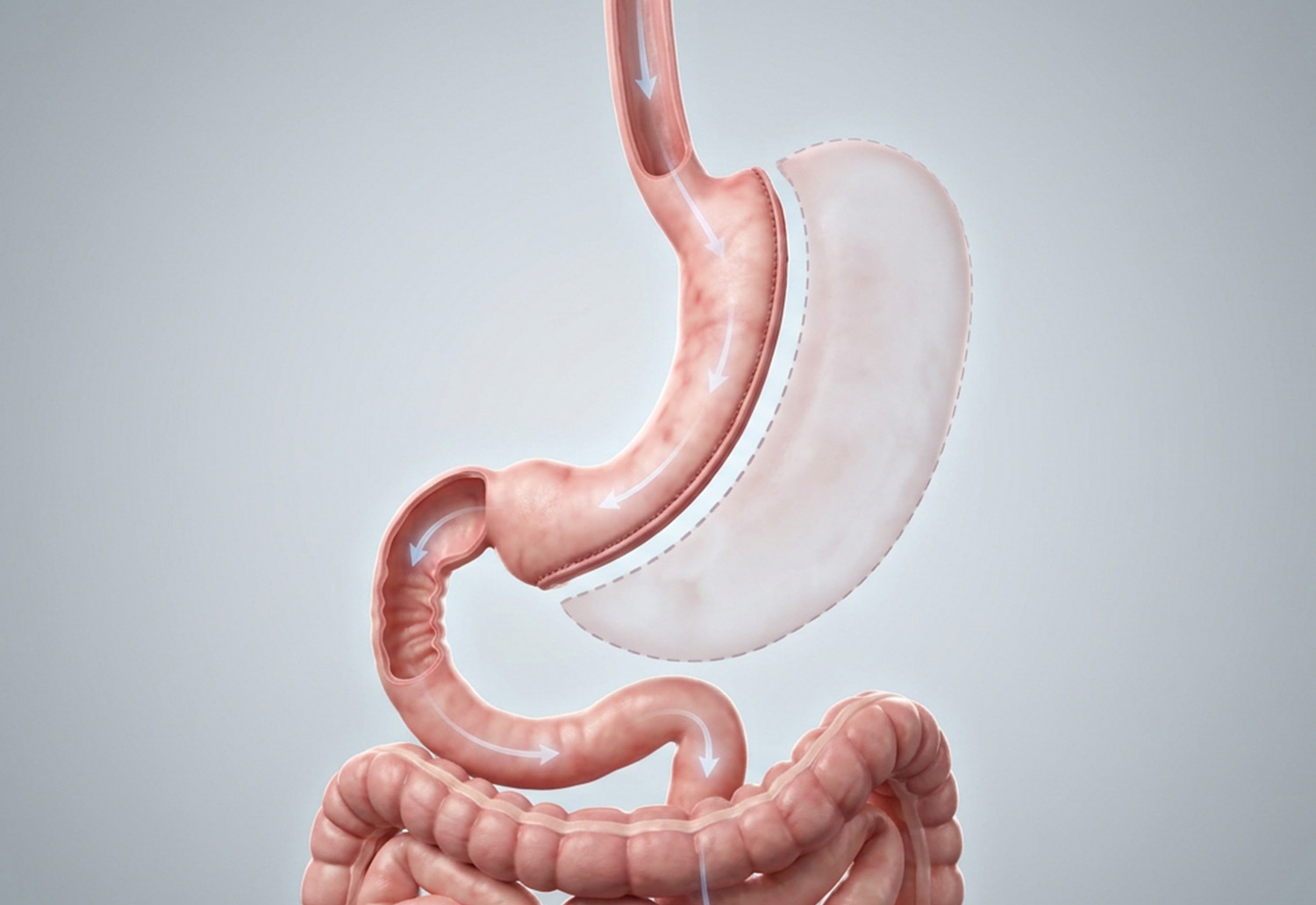
Bariatric surgery is a group of procedures that modify the stomach and, in some cases the small intestine, to produce lasting weight loss and improve metabolic health. Procedures are performed using a laparoscopic (keyhole) approach. This means small incisions, faster recovery, and lower complication rates than open surgery.
The goal goes beyond reducing food intake. These procedures change gut hormones that regulate hunger, blood sugar, and how the body processes energy. This hormonal shift is why many patients see rapid improvement in Type 2 diabetes, often within days of surgery, before significant weight loss has even occurred.
Bariatric surgery is not cosmetic. It's a recognised medical treatment for obesity and the conditions that often accompany it. For patients who have not responded adequately to other treatments, it may be considered as part of a specialist-led management plan.
Eligibility follows the Malaysian Clinical Practice Guideline on Metabolic and Bariatric Surgery. The criteria use BMI thresholds adapted specifically for Asian populations, which are lower than Western benchmarks. This reflects the clinical evidence that Asians develop obesity-related conditions at lower body weights than Western populations.
You may qualify if you meet one of the following:
BMI of 37.5 or above, with or without an obesity-related health condition.
BMI of 32.5 to 37.4, alongside at least one confirmed comorbidity such as Type 2 diabetes, hypertension, obstructive sleep apnoea, or fatty liver disease.
Age eligibility is generally 18 to 65 years. Patients also need to show they've attempted structured, supervised weight management without sufficient results.
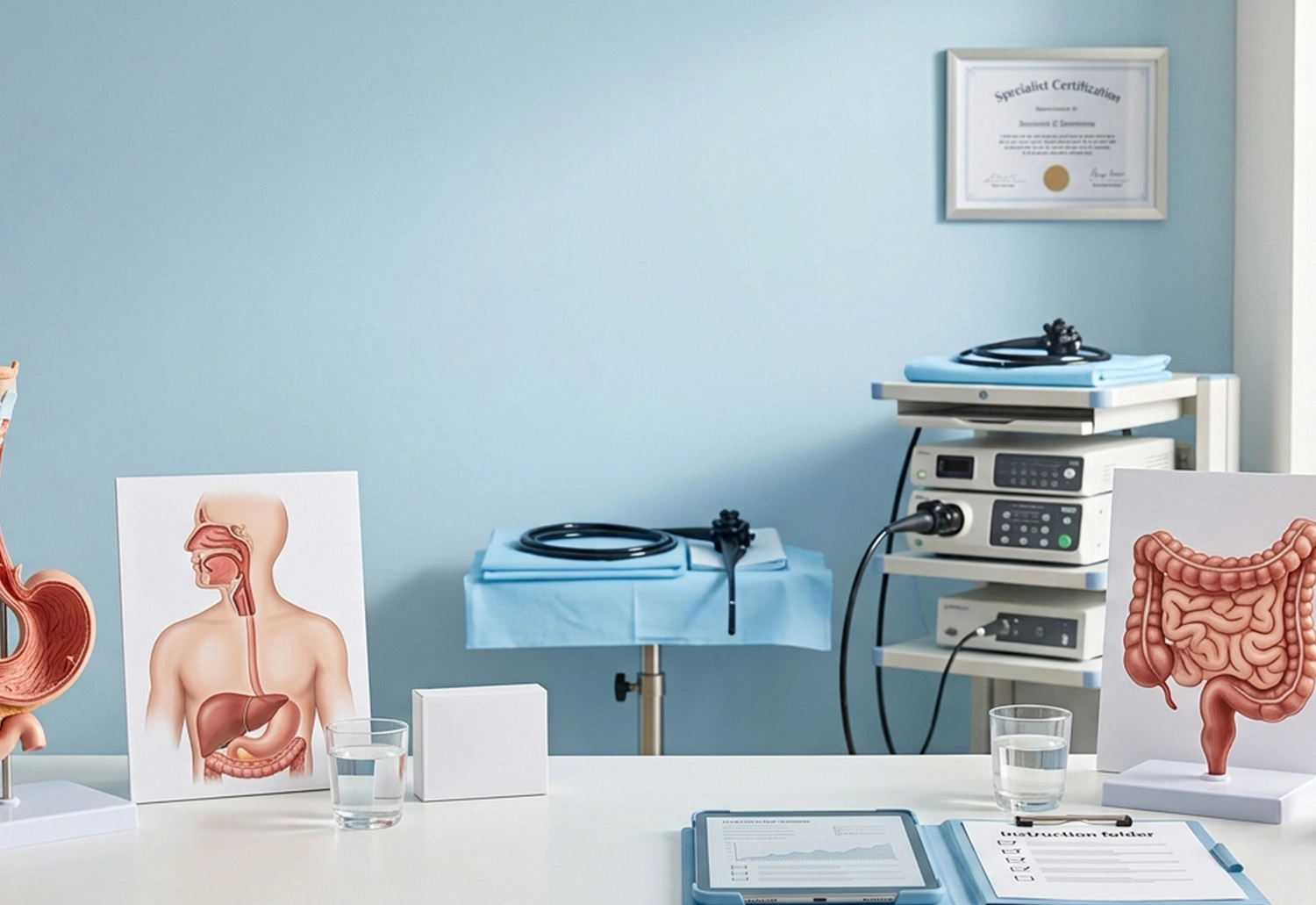
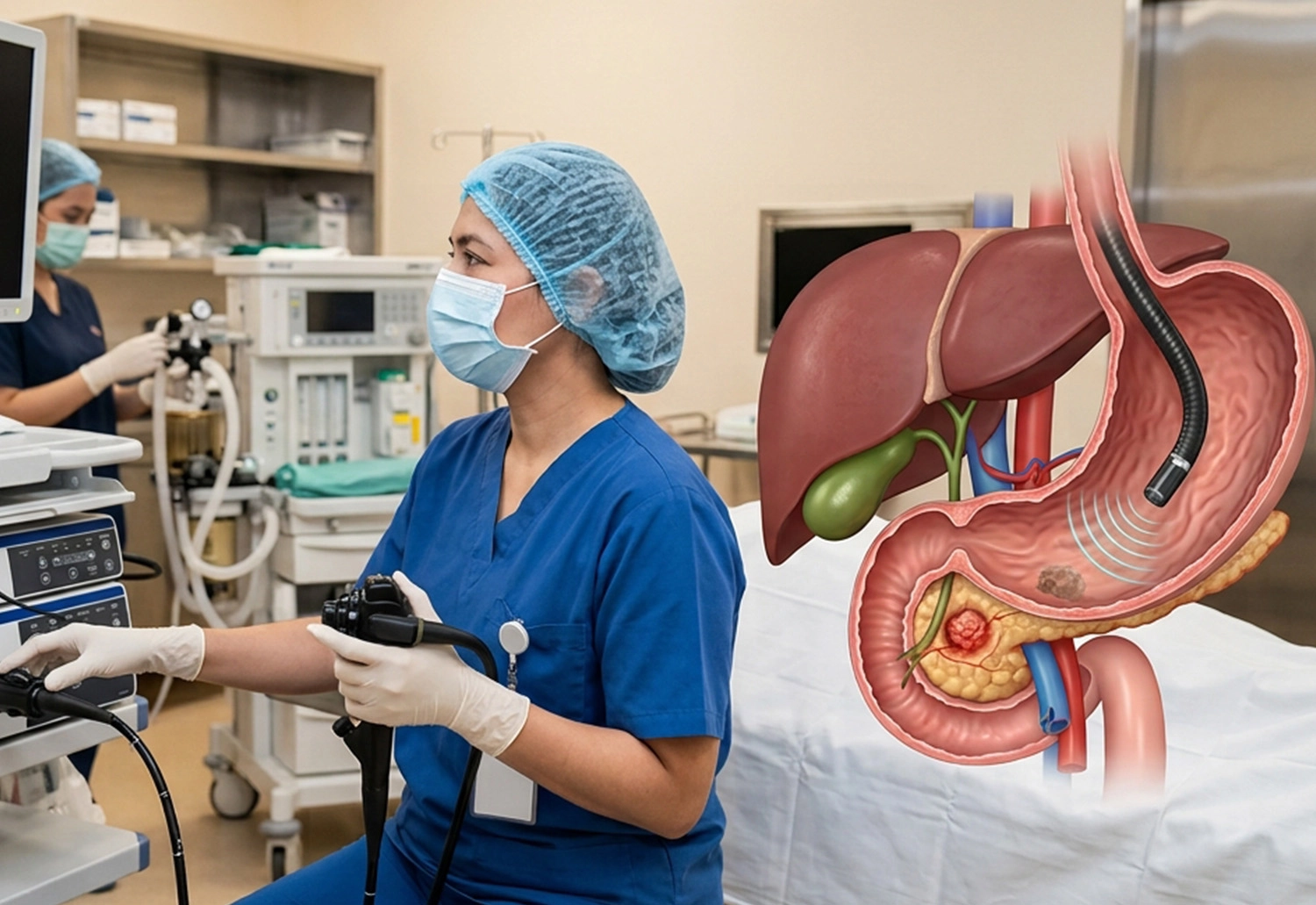
Before surgery is confirmed, every patient at Cengild goes through a full pre-surgical assessment. This covers nutritional evaluation, psychological screening, endoscopy, and cardiometabolic testing. The process confirms eligibility, surfaces any risks, and ensures the patient understands the commitment involved before a procedure date is set.

The right procedure depends on your BMI, medical history, existing conditions, and the recommendation of your general surgeon after a full clinical review. Cengild performs three procedures. The adjustable gastric band is not offered, as it has higher long-term revision rates and slower weight loss outcomes compared to modern options.
The surgeon removes approximately 70 to 80 percent of the stomach, leaving a narrow tube-shaped pouch. This limits how much you can eat at one sitting and significantly lowers ghrelin, the hormone that drives hunger.
Expected excess weight loss is 60 to 70 percent over 18 to 24 months. Because no intestinal rerouting is involved, nutritional risks are lower than with bypass procedures. Lifelong supplementation is still required. At Cengild, surgery with Dr Mustafa typically takes 40 to 45 minutes, with a hospital stay of two days and one night. Most patients begin light walking within two to three days of discharge.
This procedure creates a small stomach pouch and reroutes a section of the small intestine. It restricts both intake and absorption. The metabolic effect is especially strong for patients with Type 2 diabetes. According to a 2024 systematic review published in PMC, bariatric surgery induces remission of Type 2 diabetes in a significant proportion of patients, with gastric bypass producing some of the highest remission rates.
Expected excess weight loss reaches 70 to 80 percent. This procedure suits patients with severe acid reflux or longstanding diabetes. It requires closer long-term nutritional monitoring than the sleeve due to its malabsorptive component.
Generally considered suitable for patients with a BMI above 50 or those with more complex metabolic disease. Expected excess weight loss is 70 to 90 percent, the highest of the three options. The trade-off is a greater need for nutritional monitoring and supplementation. Your specialist team will determine whether this suits your profile during pre-surgical assessment.
Cost varies depending on the hospital, procedure type, surgeon experience, and any additional tests required before or after surgery. The estimated range across Malaysian private centres is RM20,000 to RM60,000.
Malaysia is significantly more affordable than Singapore or Australia while maintaining comparable surgical standards. For patients travelling from overseas, this cost difference is meaningful. The combination of experienced surgeons, English-speaking medical teams, and modern private hospital facilities makes bariatric surgery in Malaysia an increasingly viable option for regional patients as well as locals.
Cengild has been named Bariatric Medical Centre of the Year in Asia Pacific for four consecutive years from 2021 to 2024. That recognition reflects both the quality of outcomes and the level of multidisciplinary care patients receive throughout the process.
Weight loss surgery does more than reduce body weight. For patients with obesity-related conditions, the health changes can be substantial.
Many patients achieve full or partial remission, particularly after gastric bypass. The effect on blood sugar regulation often appears within days of surgery, pointing to a hormonal mechanism that operates independently of weight loss. Research published in PMC on bariatric surgery and diabetes shows that remission rates in clinical trials range from 33 to 90 percent at one year post-surgery, depending on procedure type and patient profile.
Blood pressure improves in most patients after surgery. Many reduce or stop antihypertensive medication within the first year.
Fatty liver may improve in some patients following surgery, particularly where sustained weight loss reduces fat accumulation in liver tissue. Individual outcomes vary.
Abnormal cholesterol and triglyceride levels, which are common in obesity, may improve in patients who achieve sustained weight loss following surgery.
Weight loss reduces the fat deposits around the upper airway. This improves sleep apnoea in a large proportion of patients.
Large-scale research supports a meaningful reduction in long-term mortality among bariatric surgery patients compared to non-surgical controls. The Swedish Obese Subjects study, published in the New England Journal of Medicine, found a 30 to 40 percent reduction in overall mortality over an average follow-up of 10.9 years.
Weight reduction after surgery has been linked to improved hormonal balance and restored fertility in patients with polycystic ovary syndrome.
"Bariatric surgery is associated with long-term weight loss and decreased overall mortality compared with conventional treatment for severe obesity over an average follow-up of nearly 11 years." Source: Sjostrom et al., New England Journal of Medicine, 2007
Recovery is faster than most patients expect. The laparoscopic approach means smaller incisions, less post-operative pain, and a significantly shorter hospital stay compared to open procedures.
At Cengild with Dr Mustafa, the timeline looks like this. Surgery takes 40 to 45 minutes. Hospital stay is two days and one night. Light activity, including brisk walking, can begin two to three days after discharge. Most patients return to desk-based work within one to two weeks. Full diet progression from liquids to regular meals takes six to eight weeks.
Post-operative nutrition follows a staged progression guided by your dietitian: clear liquids, then full liquids, then pureed foods, then soft and regular meals. Rushing through these stages is one of the most common causes of early discomfort.
Nutritional supplements are required from day one and continue for life. Vitamins B12, D, iron, calcium, and folate are the most commonly needed. Deficiencies in any of these can cause serious health problems over time. Your dietitian will confirm your specific supplement list based on your procedure and blood results.
Long-term follow-up appointments are scheduled at regular intervals across the first two years, then annually. Staying engaged with your medical team makes a measurable difference to weight maintenance and metabolic outcomes. You can read more about how obesity is managed at Cengild and where bariatric surgery fits within a broader health plan.
"Nutritional deficiencies are a known long-term risk after bariatric surgery and require lifelong monitoring and supplementation, particularly for iron, vitamin B12, calcium, and vitamin D." Source: PMC, Bariatric Surgery and Type 2 Diabetes, 2021

Every surgical procedure carries risk. At experienced, accredited centres, the risk profile for bariatric surgery is well defined and manageable.
Mortality is below 0.3 percent. Major complications occur in one to four percent of cases. These figures are comparable to other common elective abdominal procedures like gallbladder removal.
Nutritional deficiencies are the most significant long-term risk. Without consistent supplementation, deficiencies in iron, vitamin B12, vitamin D, calcium, and folate can develop over time and cause serious health problems. This is why lifelong supplementation and regular blood monitoring are non-negotiable parts of post-operative care, not optional extras.
Your specialist team will walk you through a personalised risk assessment before any procedure is confirmed. Understanding the risks clearly is part of making an informed decision.
Malaysia has emerged as a serious regional destination for weight loss surgery, attracting both local patients and those travelling from nearby countries.
Malaysian centres employ surgeons with fellowship training in bariatric and metabolic surgery, many with international credentials and high case volumes.
Leading centres like Cengild integrate gastroenterology, hepatology, endocrinology, and bariatric surgery. Patients receive coordinated care across disciplines rather than seeing a surgeon in isolation.
Communication is straightforward for both local and international patients throughout the assessment, surgery, and follow-up process.
Malaysian private hospitals offer operating theatre standards, imaging, and post-operative care that compare favourably with Singapore and Australia.
At RM20,000 to RM60,000, the cost is significantly lower than equivalent procedures in Singapore or Australia while maintaining the same clinical standards.
If your BMI meets the eligibility criteria, you have one or more obesity-related health conditions, and supervised weight management hasn't produced adequate results, bariatric surgery in Malaysia is worth discussing with a specialist. The surgical risk at experienced centres is low and well documented. The long-term evidence for metabolic benefit is strong.
The key question is whether you meet the clinical criteria and whether you're ready to commit to the follow-up process that supports longer-term outcomes. Evidence from long-term studies supports its association with weight loss and metabolic improvement in eligible patients. Surgery opens a window. What you do with that window, in terms of diet, supplementation, and regular follow-up, influences how durable the results are over five and ten years.
The decision belongs to you and your medical team. A first consultation is an assessment, not a commitment. You'll leave with a clearer picture of whether this path makes sense for your specific situation.
1. How much weight can I expect to lose after bariatric surgery in Malaysia?
Most patients lose 50 to 70 percent of their excess body weight within 18 to 24 months. Sleeve gastrectomy typically produces 60 to 70 percent excess weight loss. Roux-en-Y and mini gastric bypass can reach 70 to 90 percent. The exact outcome depends on the procedure, starting weight, and how consistently you follow post-operative dietary and lifestyle guidance.
2. Is bariatric surgery safe?
At accredited centres with experienced surgeons, bariatric surgery has a mortality rate below 0.3 percent. Major complications occur in one to four percent of cases. Your general surgeon will walk you through a personalised risk assessment based on your health profile before any procedure is confirmed.
3. Does bariatric surgery improve Type 2 diabetes?
For many patients, yes. Clinical studies report remission rates ranging from 33 to 90 percent at one year, depending on the procedure and patient profile. The effect appears quickly, often within days of surgery. Long-term control depends on how long you've had diabetes, pancreatic function, and follow-up adherence.
4. Does Cengild perform adjustable gastric band surgery?
No. Cengild does not offer adjustable gastric band procedures. The three available procedures are Sleeve Gastrectomy, Roux-en-Y Gastric Bypass, and Mini Gastric Bypass. These are preferred over the gastric band due to better long-term weight loss outcomes and lower revision rates.
5. What is included in the pre-surgical assessment at Cengild?
Every patient undergoes nutritional assessment, psychological evaluation, endoscopy, and cardiometabolic screening before surgery is confirmed. This process typically takes several weeks. It confirms eligibility, identifies any risks, and ensures full readiness before a procedure date is set. You can find out more about the surgical care pathway available at Cengild.
Bariatric surgery is not the right path for everyone, but for patients who meet the medical criteria and have not achieved adequate results through other means, it may be a clinically appropriate option worth exploring with a specialist. Clinical studies support its association with long-term weight loss, improved blood sugar control, and reduced mortality risk in eligible patients. If you're considering whether this applies to your situation, the Cengild bariatric and metabolic surgery team offers a full clinical assessment at its facility in Bangsar South, Kuala Lumpur. The team brings together bariatric surgeons, gastroenterologists, dietitians, and metabolic specialists to guide each patient from assessment through to long-term recovery.
The information in this article is for general educational purposes only and does not constitute medical advice. Individual outcomes vary. Consult a qualified specialist before making any healthcare decisions.