Shopping Cart
No item in your cart!
RM0.00
View Cart

In the fast-paced corporate world of Malaysia, health is often the first sacrifice. However, advanced medical technology like endoscopic ultrasound (or EUS) is changing the landscape of digestive care. This blog explores how this hybrid technology provides a "close-up" view of internal organs that traditional scans miss, acting as a crucial tool for early cancer detection and minimally invasive therapy. We break down the procedures, the latest medical trends of 2026, and the pros and cons for busy parents who need precision without the long recovery times of traditional surgery.
For the modern Malaysian corporate parent, the "daily grind" isn't just a metaphor. It is a high-pressure reality of back-to-back meetings in Bangsar South, school runs in Mont Kiara, and late-night emails that often come accompanied by nagging indigestion or "gastric" pain. We often dismiss these symptoms as stress, but in the realm of gastroenterology, what we can’t see can often be the most significant.
Traditional imaging like CT scans and MRIs are powerful, but they have their limits—they view the body from the outside in. Enter the endoscopic ultrasound, a sophisticated medical advancement that has become a cornerstone of modern digestive health. For those seeking the gold standard in diagnostic and therapeutic care, understanding how eus works is the first step toward proactive health management.
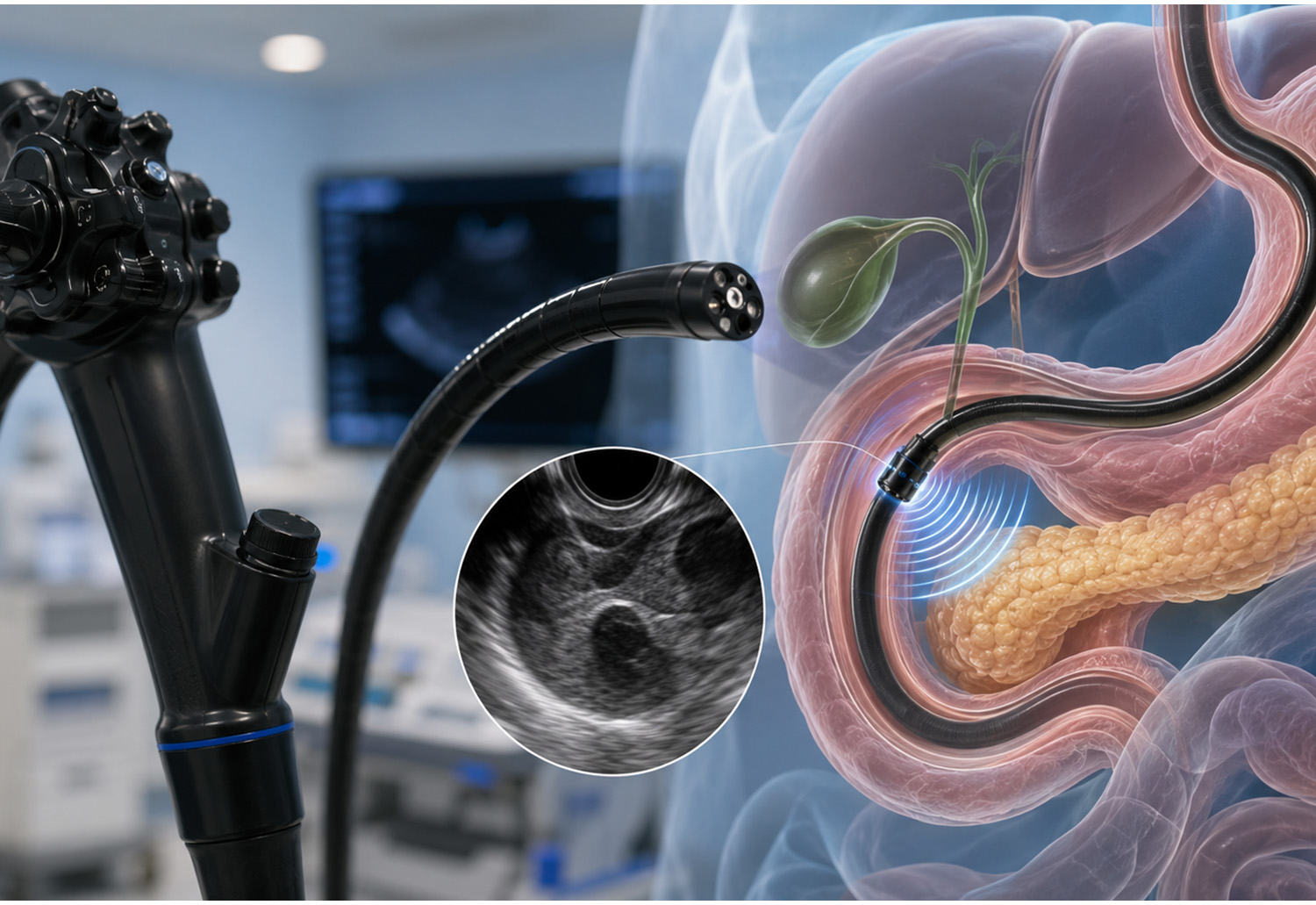
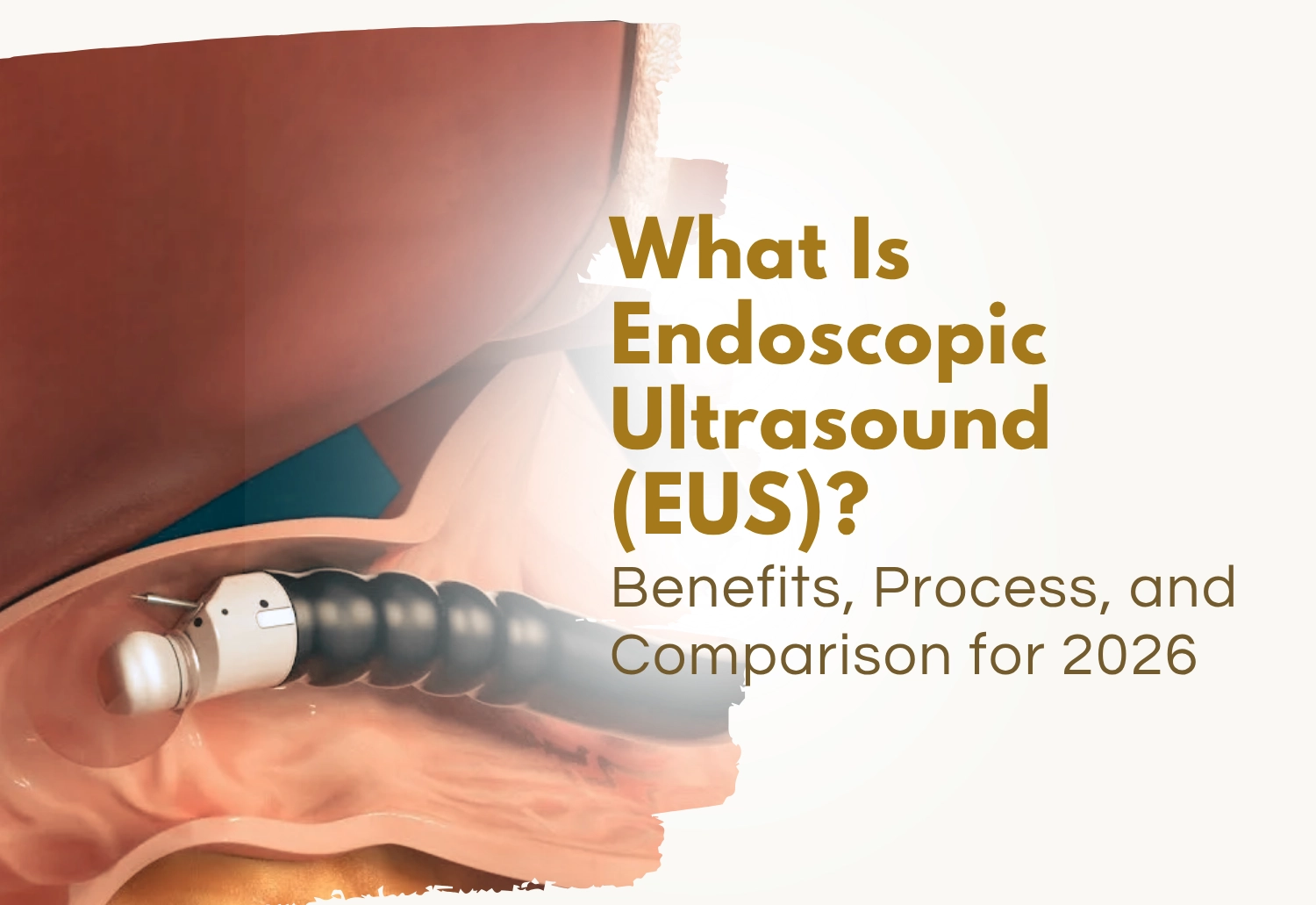
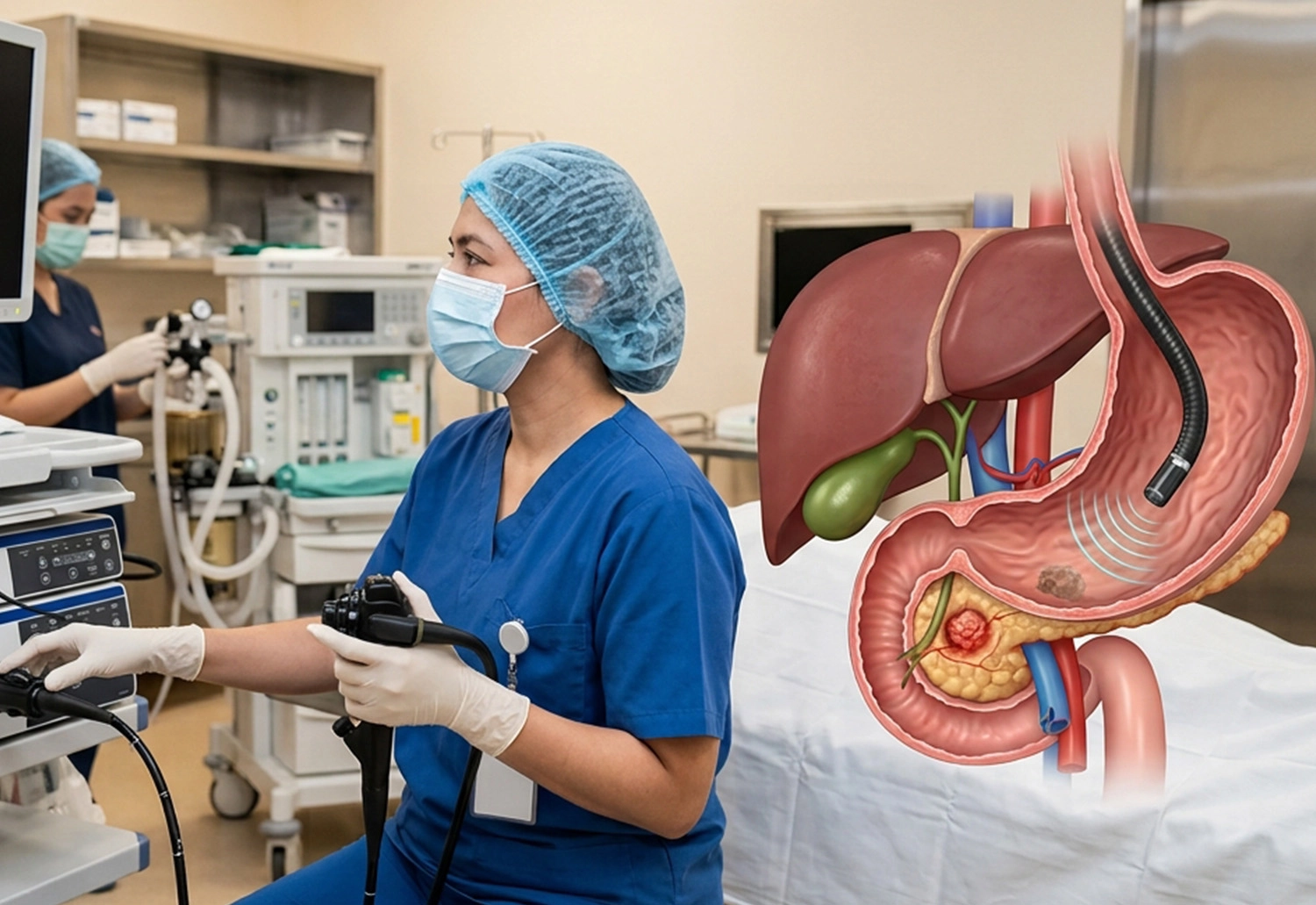
At its core, endoscopic ultrasound is a "hybrid" procedure. It combines the visual capabilities of endoscopy (a thin, flexible tube with a camera) with the high-frequency sound waves of ultrasound. Unlike a typical ultrasound where the probe is pressed against your skin, the eus probe is placed on the tip of the endoscope and inserted directly into the digestive tract.
This proximity is the game-changer. By placing the ultrasound transducer just millimeters away from organs like the pancreas, gallbladder, and liver, doctors can obtain high-resolution images that are far more detailed than any external scan.
While eus started as a diagnostic tool, it has evolved into a versatile therapeutic platform. For a patient at a specialized center like Cengild G.I. Medical Centre, a single session can move from observation to intervention seamlessly.
One of the primary uses of endoscopic ultrasound is the staging of gastrointestinal cancers. It allows specialists to see exactly how deep a tumor has invaded the wall of the esophagus or stomach and whether it has spread to nearby lymph nodes. This information is vital for your multidisciplinary team to decide whether surgery, chemotherapy, or a combination is the best path forward.
If a suspicious lesion is found, eus allows for real-time "needle-guided" sampling. A tiny needle is passed through the scope and into the target tissue to collect cells for testing. This is often the most accurate way to biopsy the pancreas, which is notoriously difficult to reach through the skin.
In 2026, we are seeing a surge in "interventional eus." Instead of open surgery, doctors can now use endoscopic ultrasound to:
Drain Pancreatic Cysts: Placing a stent to drain fluid collections without an abdominal incision.
Celiac Plexus Block: Injecting medication directly into the nerves to manage chronic pain associated with pancreatic conditions.
Biliary Drainage: Providing an alternative route for bile flow when traditional methods (ERCP) fail.
Endohepatology: Integrating advanced endoscopic ultrasound (EUS) techniques with hepatology for the diagnosis and treatment of liver diseases.
Targeted Tumor Therapy: Includes EUS-guided fine-needle injection (FNI) for injecting anti-tumor agents, brachytherapy, or radiofrequency ablation (RFA) of tumors.
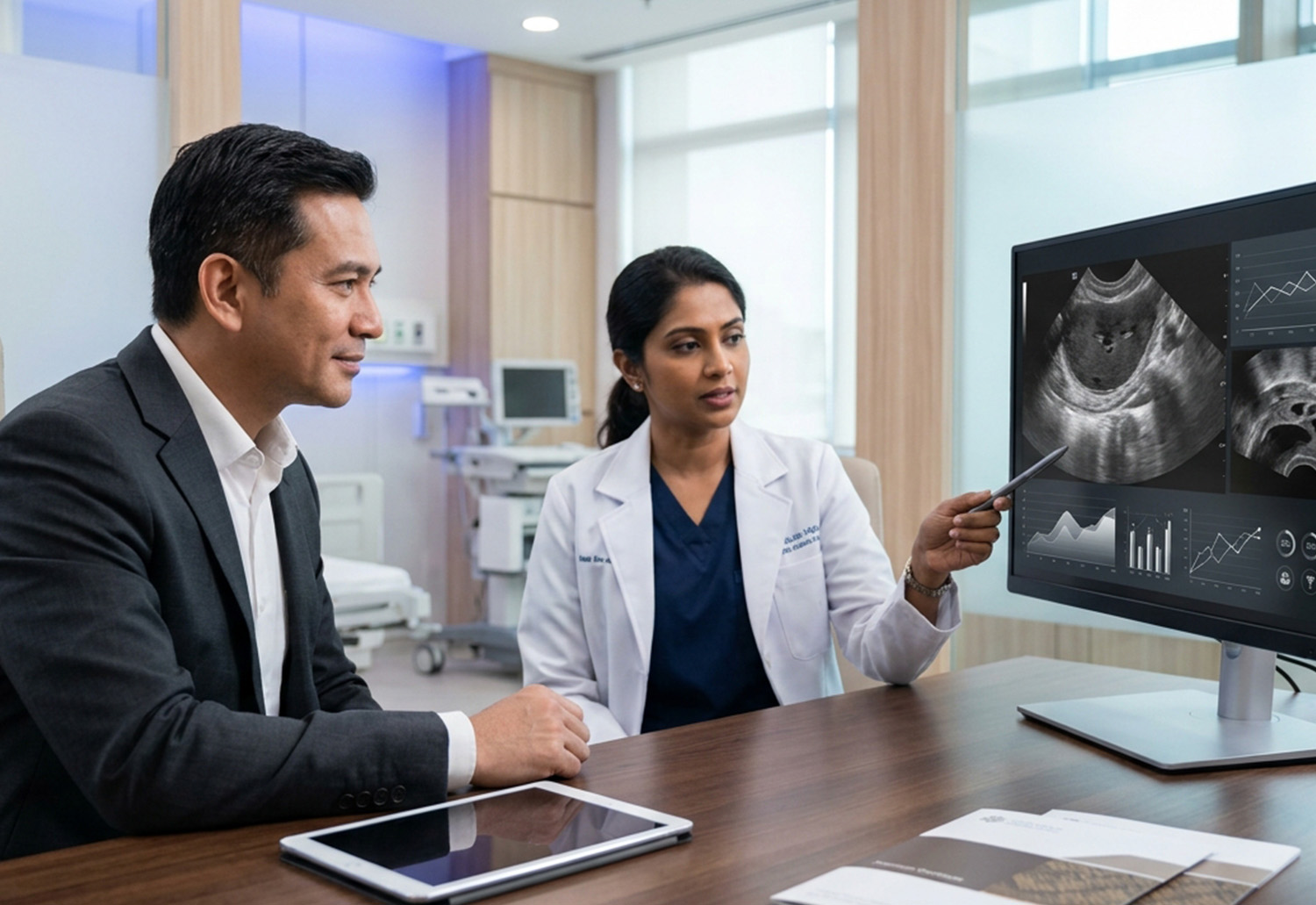
Malaysia’s healthcare landscape is rapidly shifting toward "Value-Based Care." Corporate insurance providers and high-net-worth individuals are no longer looking for the cheapest procedure, but the one with the highest diagnostic yield and the shortest recovery time.
In the corporate world, data is king. In medicine, resolution is king. Endoscopic ultrasound can detect lesions smaller than 2 centimeters—lesions that are frequently missed by standard CT scans. For a parent who is the primary provider for their family, catching a condition at "Stage 0" rather than "Stage 3" is an invaluable return on investment.
Time is the most scarce resource for a corporate parent. Traditional exploratory surgery can sideline a professional for weeks. In contrast, an eus is typically an outpatient procedure. You arrive in the morning, undergo the procedure under light sedation, and are often back to light activities the following day.
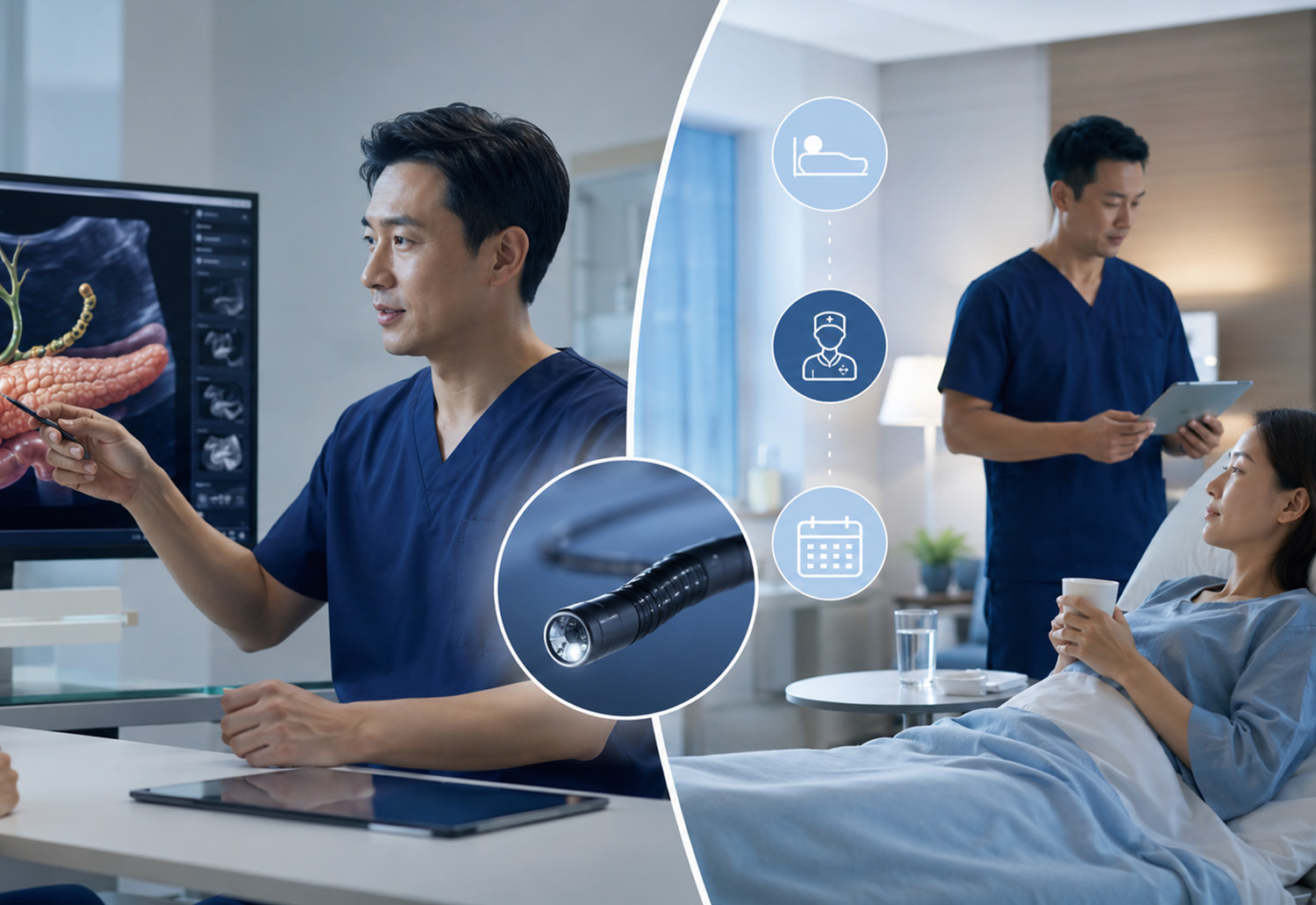
Every medical procedure involves a trade-off. It is important to look at the facts objectively.
Unmatched Clarity: Provides the most detailed images of the GI tract wall and surrounding organs (pancreas, bile duct, gallbladder).
Minimally Invasive: No external incisions, meaning no scars and minimal risk of infection.
All-in-One: Diagnosis, staging, and biopsy can often be performed in a single session.
Safety Profile: The complication rate for diagnostic eus is extremely low (less than 1%).
Requires Sedation: While safer than general anesthesia, sedation still requires a recovery period and someone to drive you home.
Operator Dependency: The accuracy of an endoscopic ultrasound depends heavily on the skill and experience of the doctor. This is why choosing a high-volume center is critical.
Potential for Minor Side Effects: Some patients may experience a sore throat or bloating for 24 hours post-procedure.
The field of gastroenterology is not static. Several exciting developments are currently trending in the Malaysian medical community:
Artificial Intelligence is now being integrated into the eus workflow. New software can assist the endoscopist in real-time by highlighting suspicious tissue patterns that might be invisible to the human eye. This "computer-aided diagnosis" is significantly reducing the margin of error in early cancer detection.
Much like a "dye" is used in CT scans, specialists are now using micro-bubble contrast agents during an endoscopic ultrasound. This allows them to see the blood flow within a tumor, making it much easier to differentiate between a benign cyst and a malignant growth without even needing a biopsy.
Centers like Cengild are moving toward a multidisciplinary "Same-Day" model. For the corporate parent, this means you can have your consultation, blood tests, and eus procedure coordinated efficiently, minimizing "hospital time" and maximizing your time with family.
When dealing with the complexities of the digestive system, you want a team that lives and breathes G.I. health. Cengild is unique in Malaysia as a dedicated G.I. Medical Centre that operates on a multidisciplinary model. This means your gastroenterologist, surgeon, and radiologist are not in different buildings—they are in the same room, discussing your case.
This "G.I.-first" focus ensures that when you undergo an endoscopic ultrasound, you are benefitting from the latest equipment and a team that performs these high-precision procedures every single day.
1. Is the endoscopic ultrasound procedure painful?
No. The procedure is performed under "monitored sedation." You will be in a sleep-like state and will not feel the scope or the ultrasound. Most patients wake up feeling slightly groggy but with no memory of the procedure itself.
2. How long does an eus take, and do I need to stay overnight?
A typical diagnostic eus takes between 30 to 60 minutes. Because it is minimally invasive, it is usually done as an outpatient procedure. Unless there are specific therapeutic interventions or underlying health concerns, you will be discharged a few hours after the procedure.
3. I’ve already had a CT scan; why do I need an endoscopic ultrasound?
A CT scan provides a great "map" of the abdomen, but it lacks the resolution to see the layers of the intestinal wall or very small tumors. An eus acts like a "microscope" that can zoom in on areas the CT scan found suspicious, providing the definitive details needed for a treatment plan.
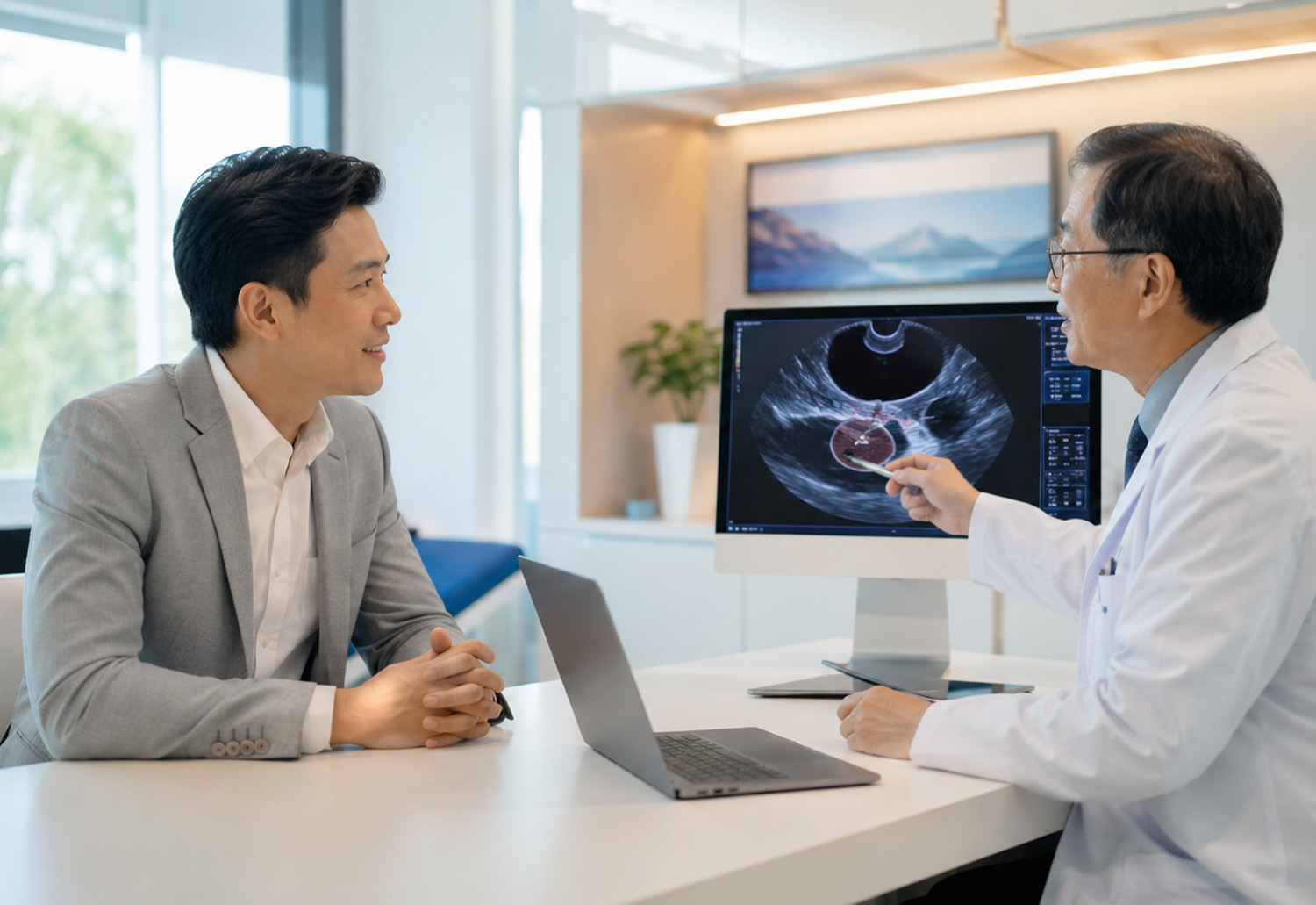
In the corporate arena, we are taught to "trust but verify." The same should apply to your health. If you are experiencing persistent digestive issues, or if a routine screening has raised questions, don't settle for "outside-in" imaging.
The endoscopic ultrasound is the definitive tool for the modern age—offering the precision of surgery with the convenience of an endoscopy. By choosing a specialized environment like Cengild, you are ensuring that your health is managed by the best in the field, allowing you to get back to the boardroom and the family dinner table with total peace of mind.